Martin Basher | Vermillion Sands
20.06 - 29.07
Auckland
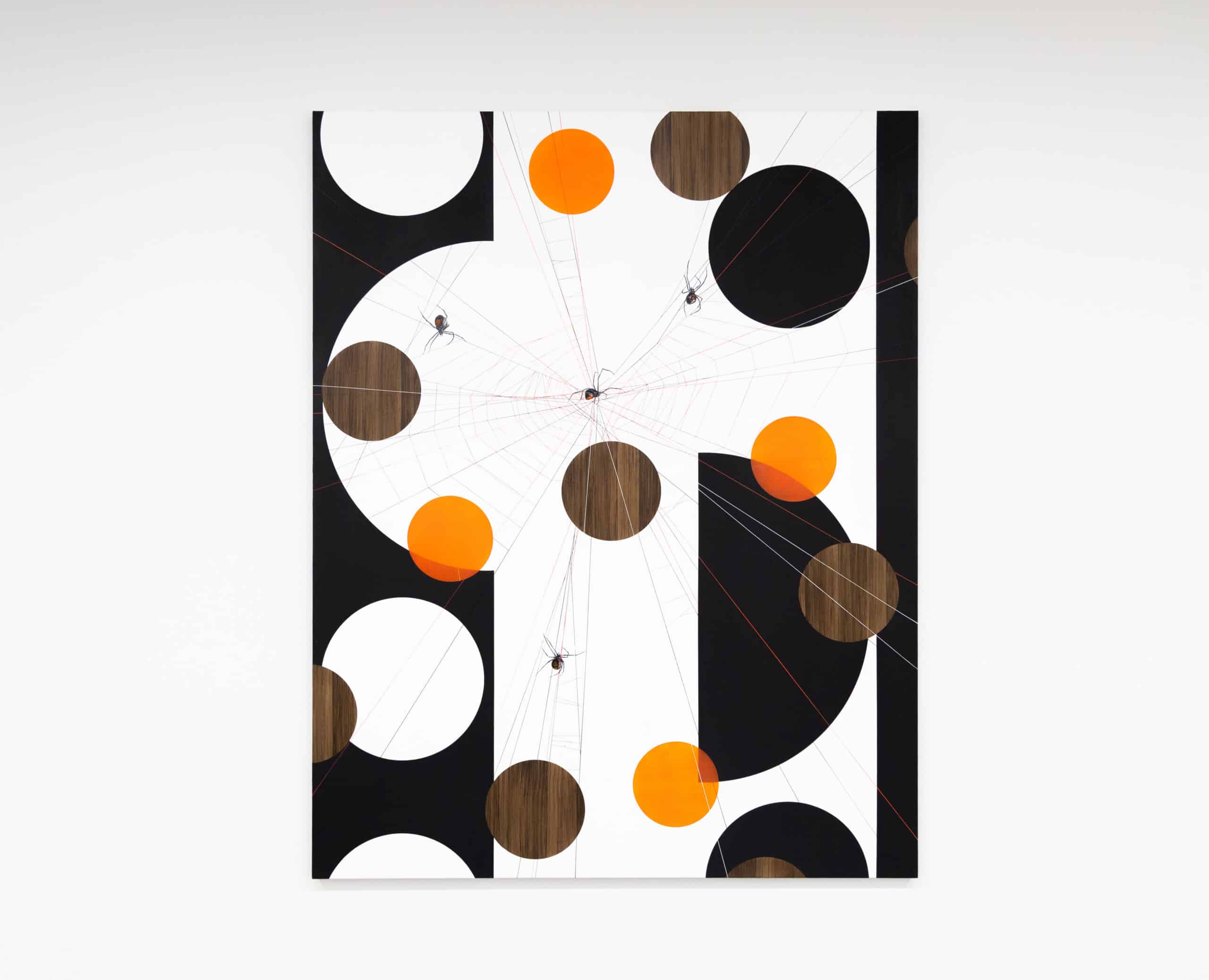
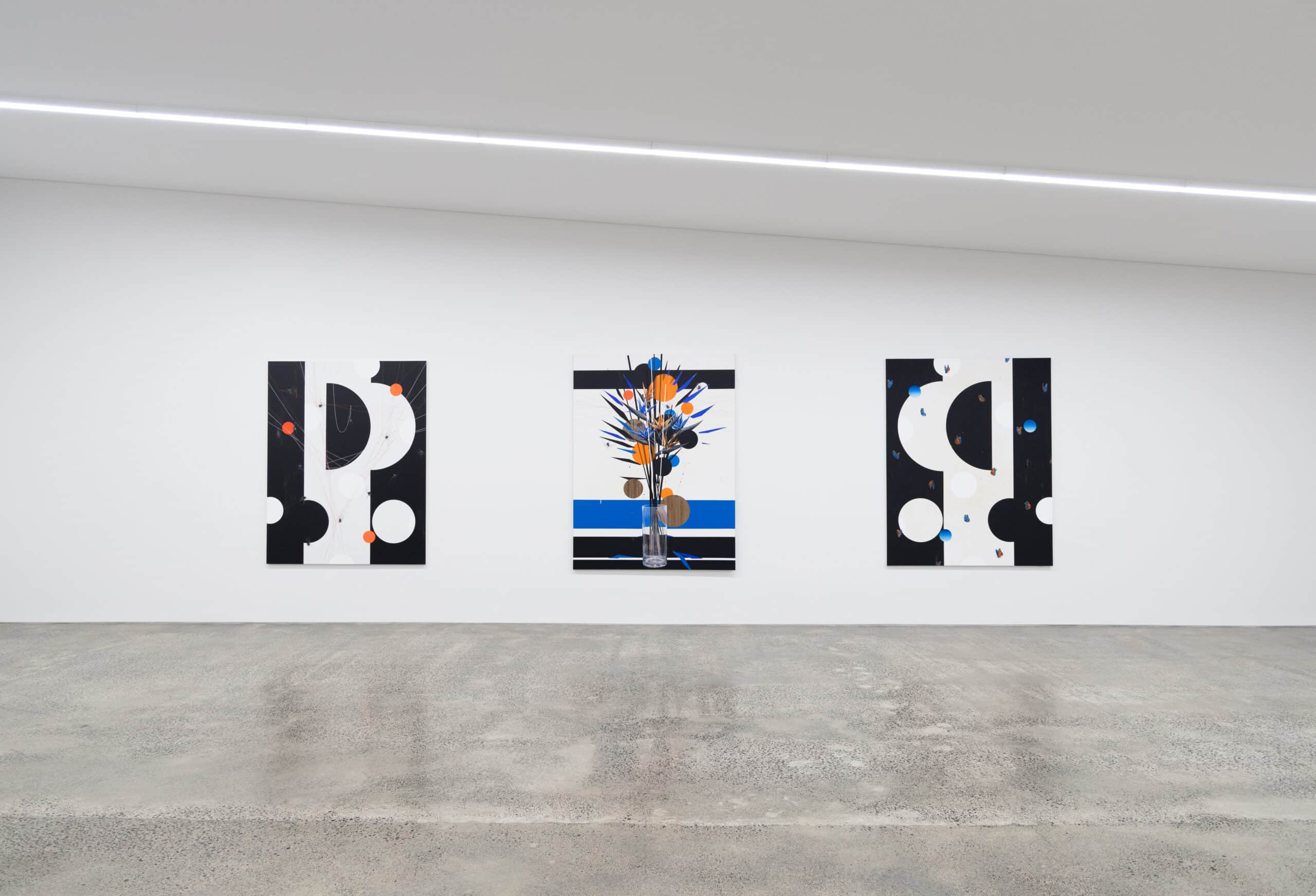
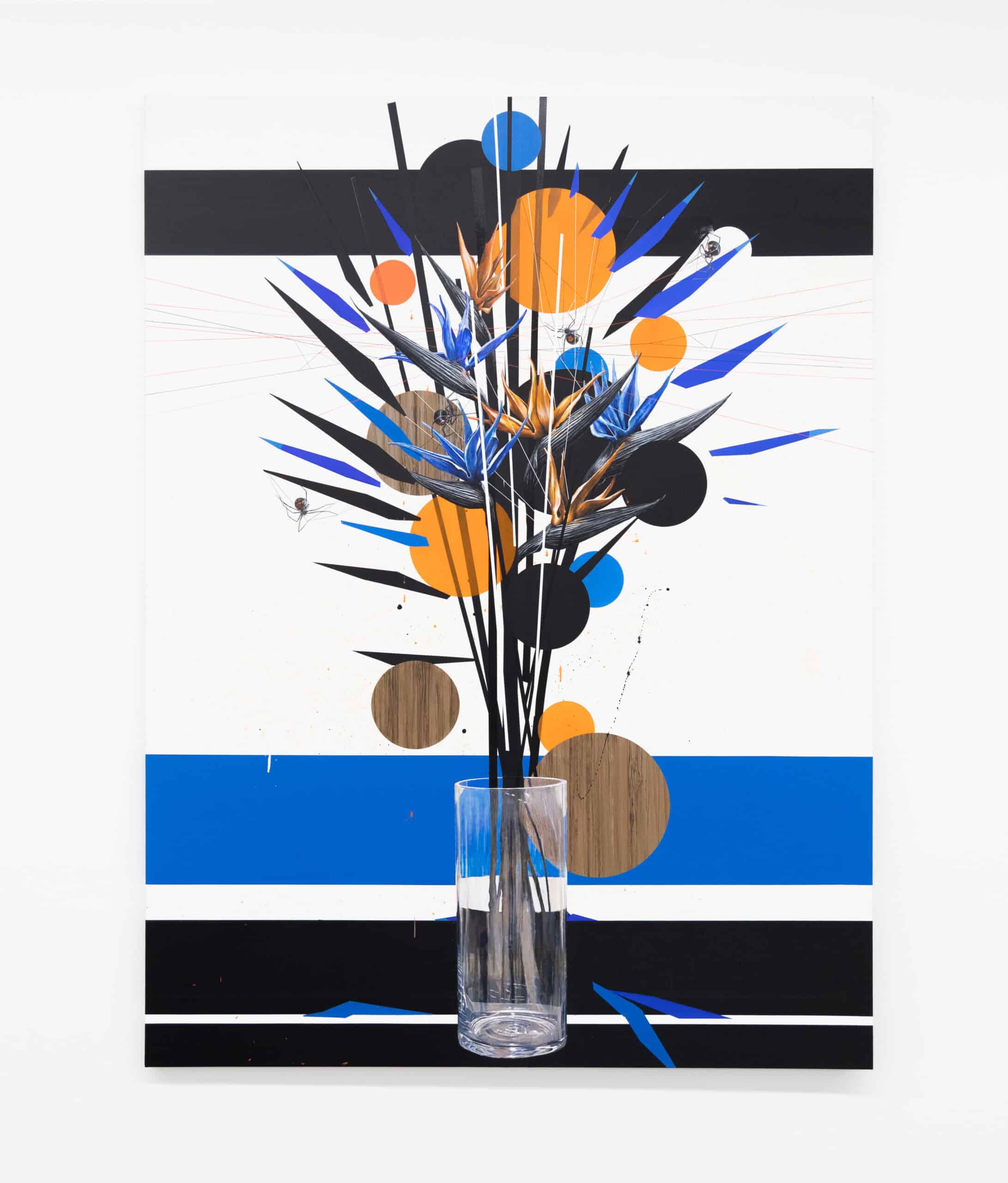
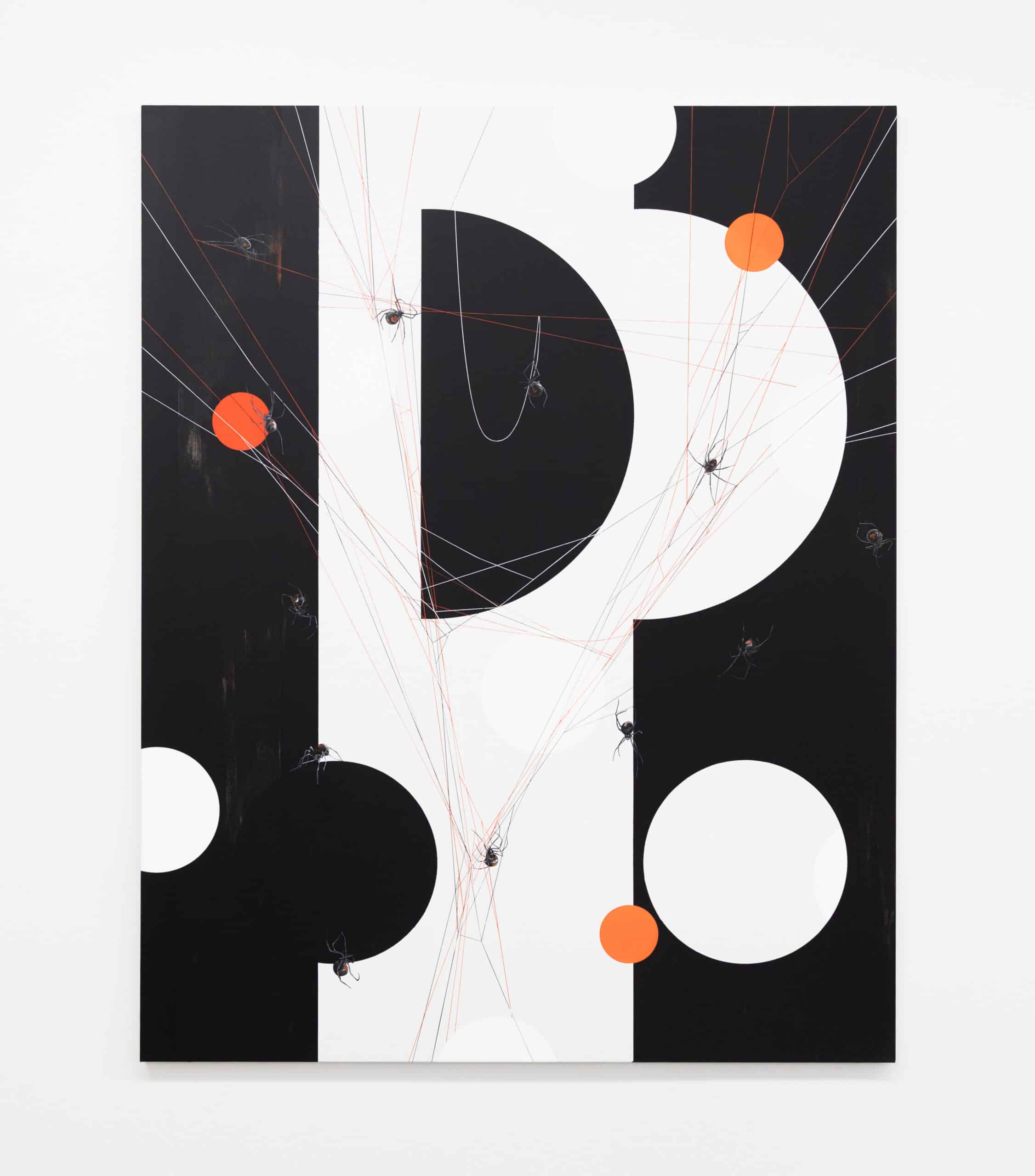
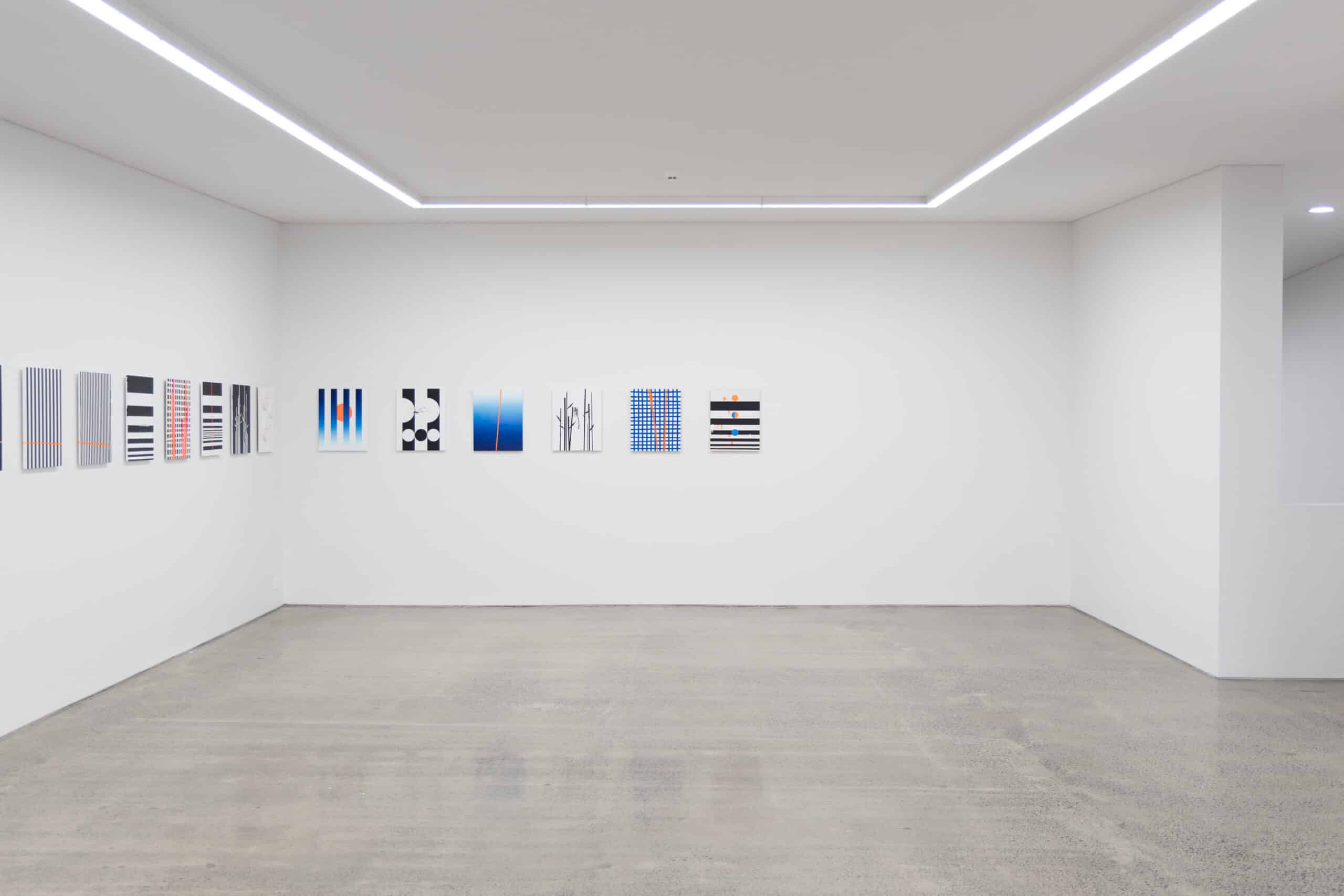
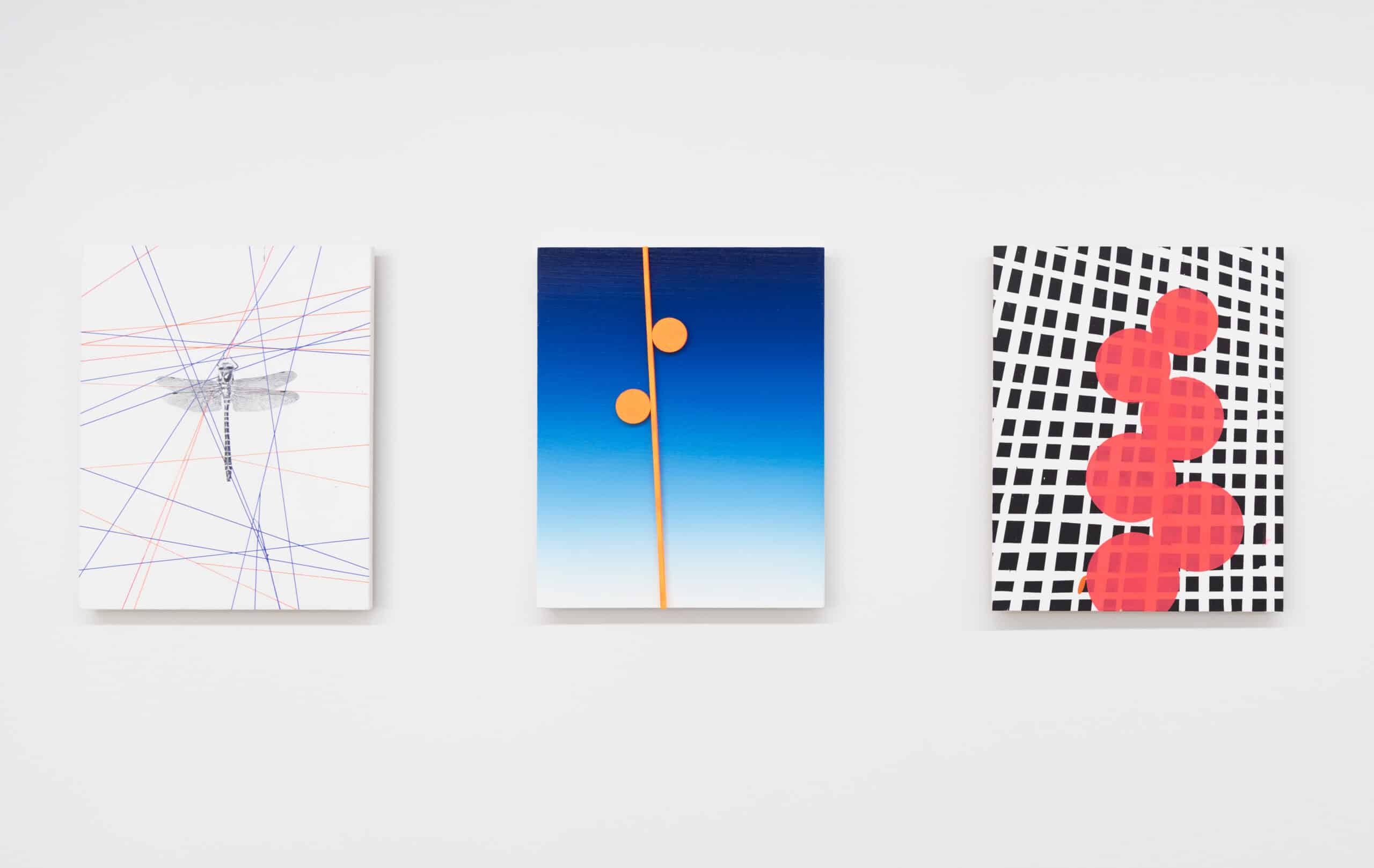
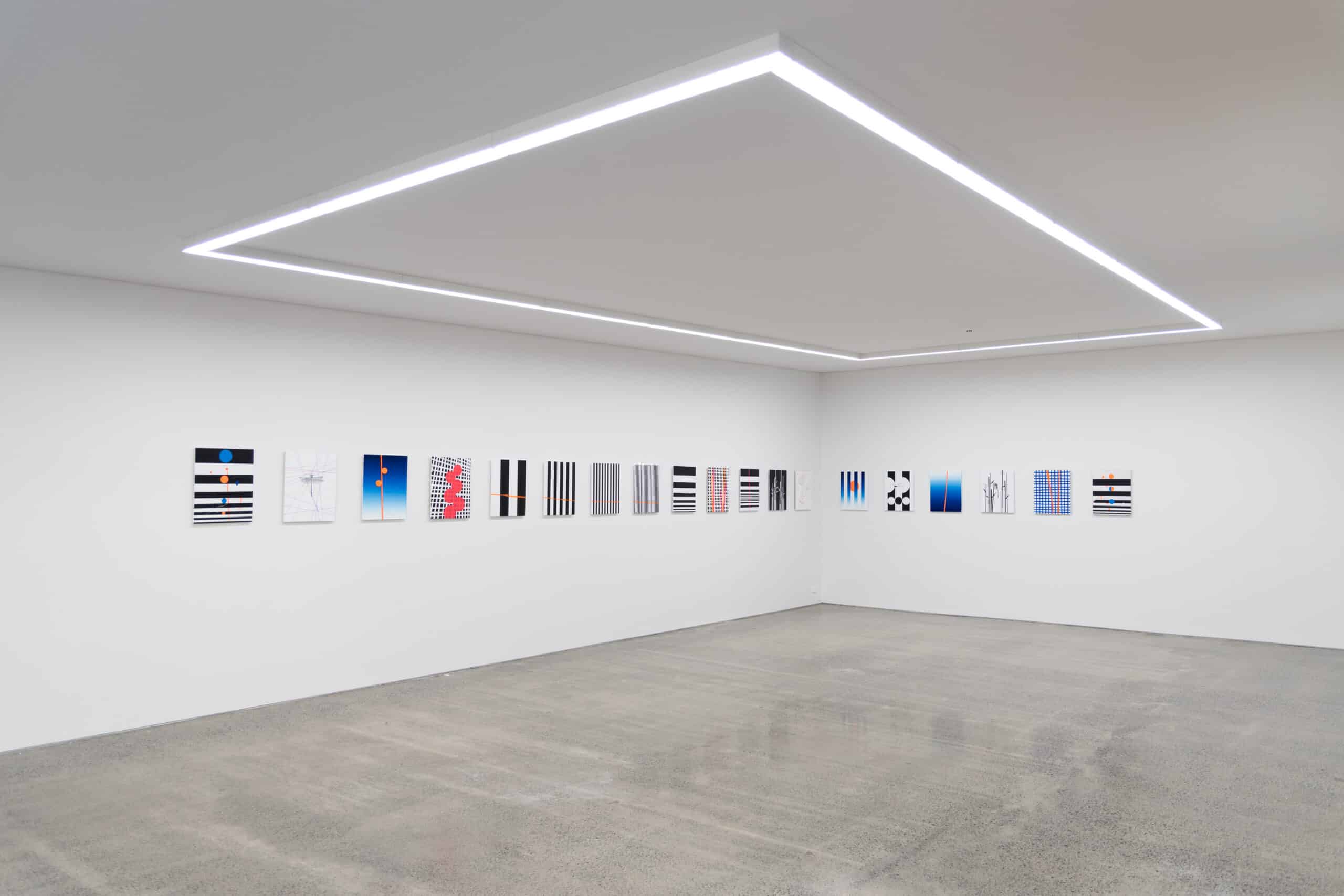
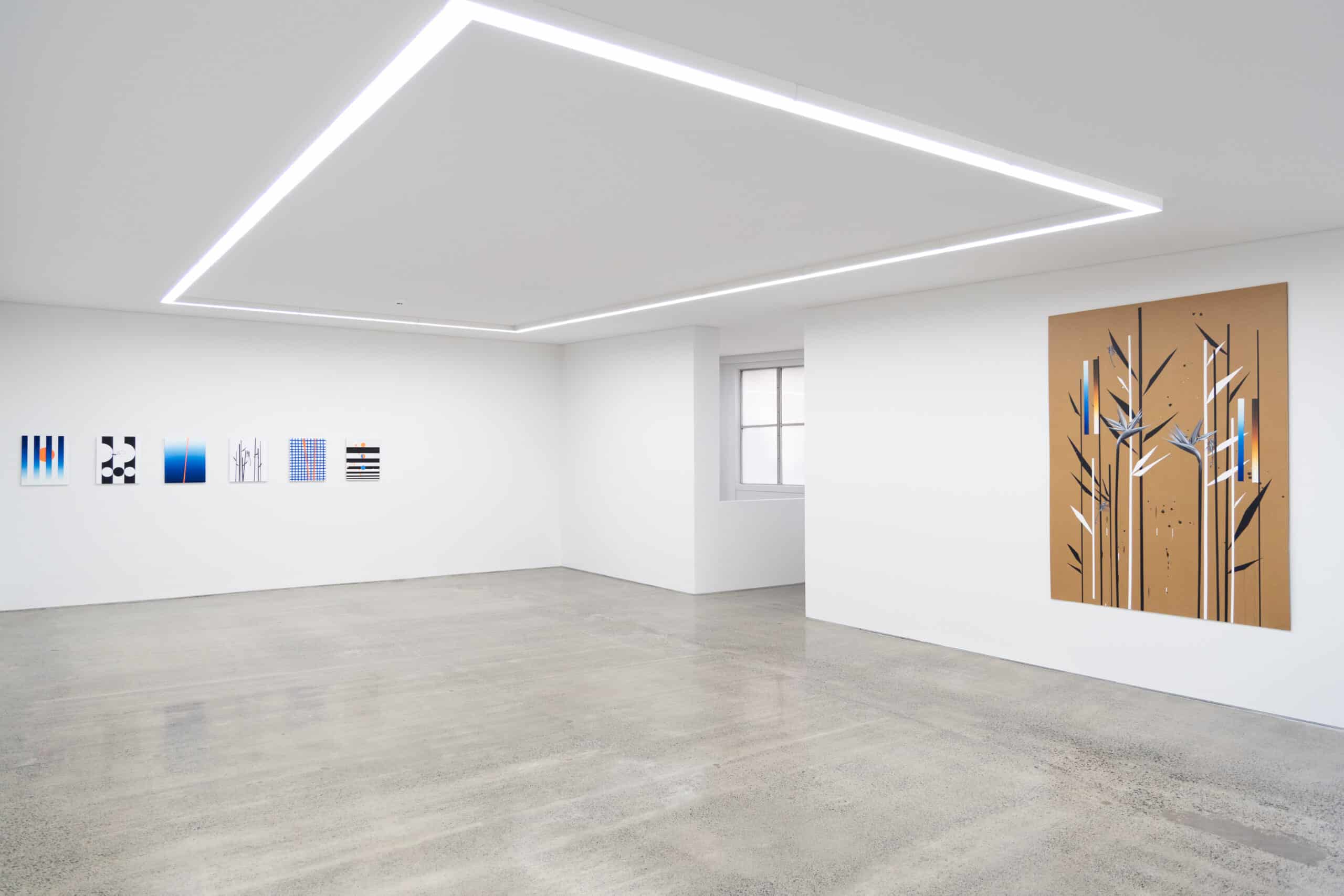
Though a conceptually driven artist, Martin Basher’s work has always been about what you feel as much as what you see, and what you feel – to paraphrase Frank Stella – is what you feel. This latest body of work, Vermillion Sands, in enamel, acrylic, and oil, despite its often crisp, hard-edged appearance, begins in a far messier state. His canvases start unstretched on the studio floor, first used as drop-sheets where they gather wear, splashes of paint, and other traces of the workspace.
Only afterwards are they stretched and turned into paintings, with those accidental marks serving as the starting point on the journey to a final image. Compositions are built slowly and intuitively; these are paintings that become representative only after they first find their form. Thus the process runs from random happenstance, to abstract formal composition, to figuration.
The themes of the environment and consumerism that also colour Basher’s work came relatively early on – unsurprisingly given that his father is a climate scientist – and were honed at art school at Columbia University in New York City, along with a detour into earth sciences and ecological futurism at the infamously flawed Biosphere 2 project in Arizona. In the 25 years since, Basher has been thinking deeply about consumption, the climate crisis, and the strange possibilities our future might bring.
Basher cites the British futurist and sci-fi author J. G. Ballard as particular influence on his approach. In Ballard’s fiction the world has already just slipped out of human hands. His narrators are instruments registering the change and attempting to survive in it, rather than being fully fleshed-out personalities reacting to it or successfully preventing it. Inevitably there is a passive coming to terms and nihilistic acceptance of it.
The Ballardian setting is a world reverting to primaeval savagery or its own detrital artifice – the end of the Anthropocene and the beginning of the Chthulucene. The latter is a name coined by the American theorist Donna Haraway to describe an epoch of multispecies entanglement in which humans are no longer imagined as separate from or dominant over the rest of earthly life.
This is where Basher’s latest paintings sit as well. Their flatness and distance resonate with Ballard’s observational detachment, not so much out of disinterest, but because they are apertures through which author and artist can study the world, evaluating the intersection of atmosphere and depth, nature and capitalism. Basher is notably more sentimental and affectionate about it than Ballard is.
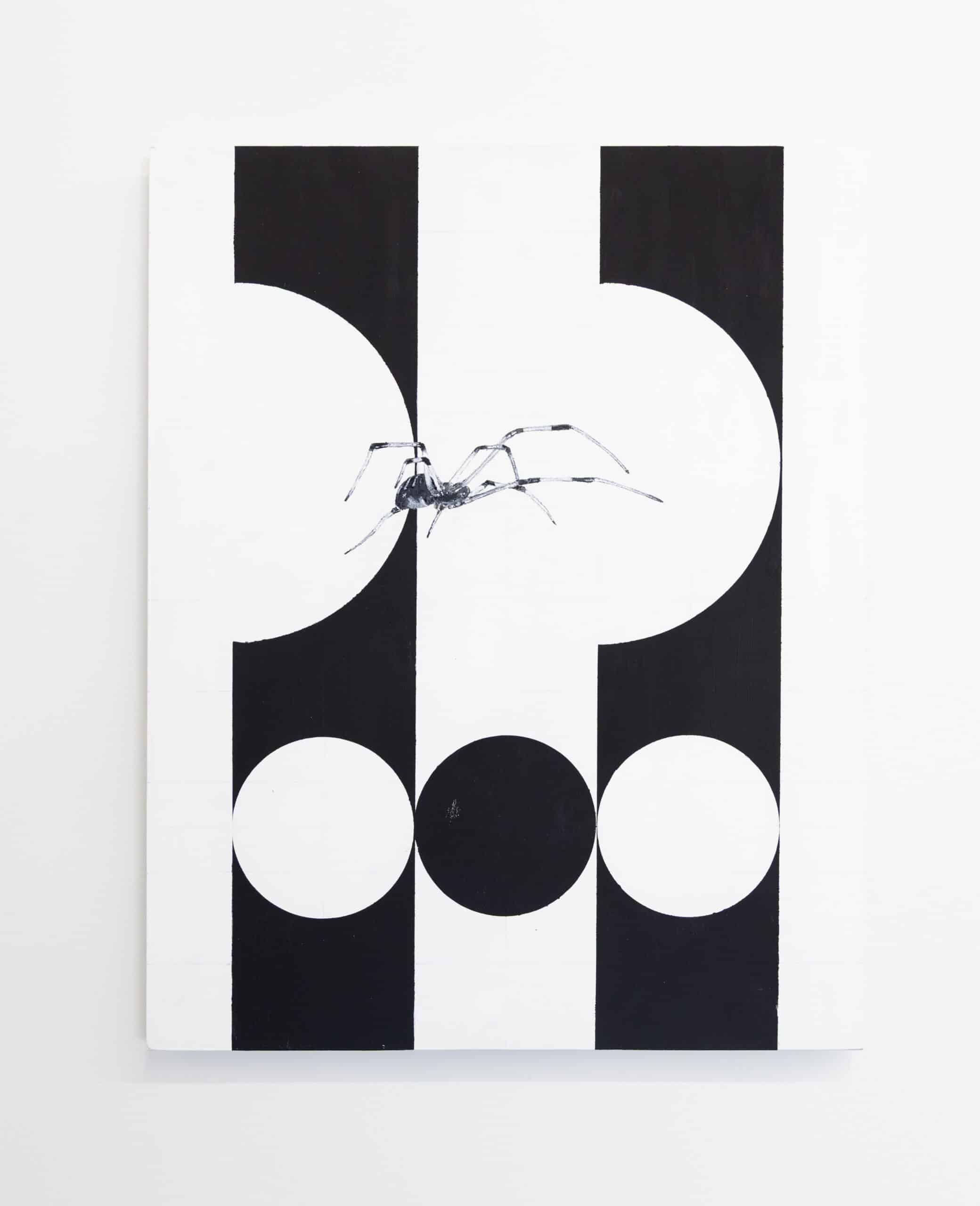
The paintings are still very much anchored in the lineage of Basher’s abstract, process-on-surface approach to painting, but now the consciously and deliberately figurative asserts itself, suggestive of that fascinating period in Mondrian’s oeuvre where his bare trees are becoming grids, but in reverse. Hard edge abstraction duels with the naturalistic and photorealistic to find a new equilibrium.
The figurative elements fall into two distinctly Ballardian themes, the uncanny invasion of the mundane – typified by Ballard’s The Drowned World (1962), The Crystal World (1966), Highrise (1975) – and artificial nature – the theme of Crash (1973), The Atrocity Exhibition (1970) and Vermillion Sands (1971). Ballard is concerned with worlds in which deliberate, intellectual human intervention is removed, and Basher has a similar concern in his art, removing the evidence of the autobiographical and his own hand.
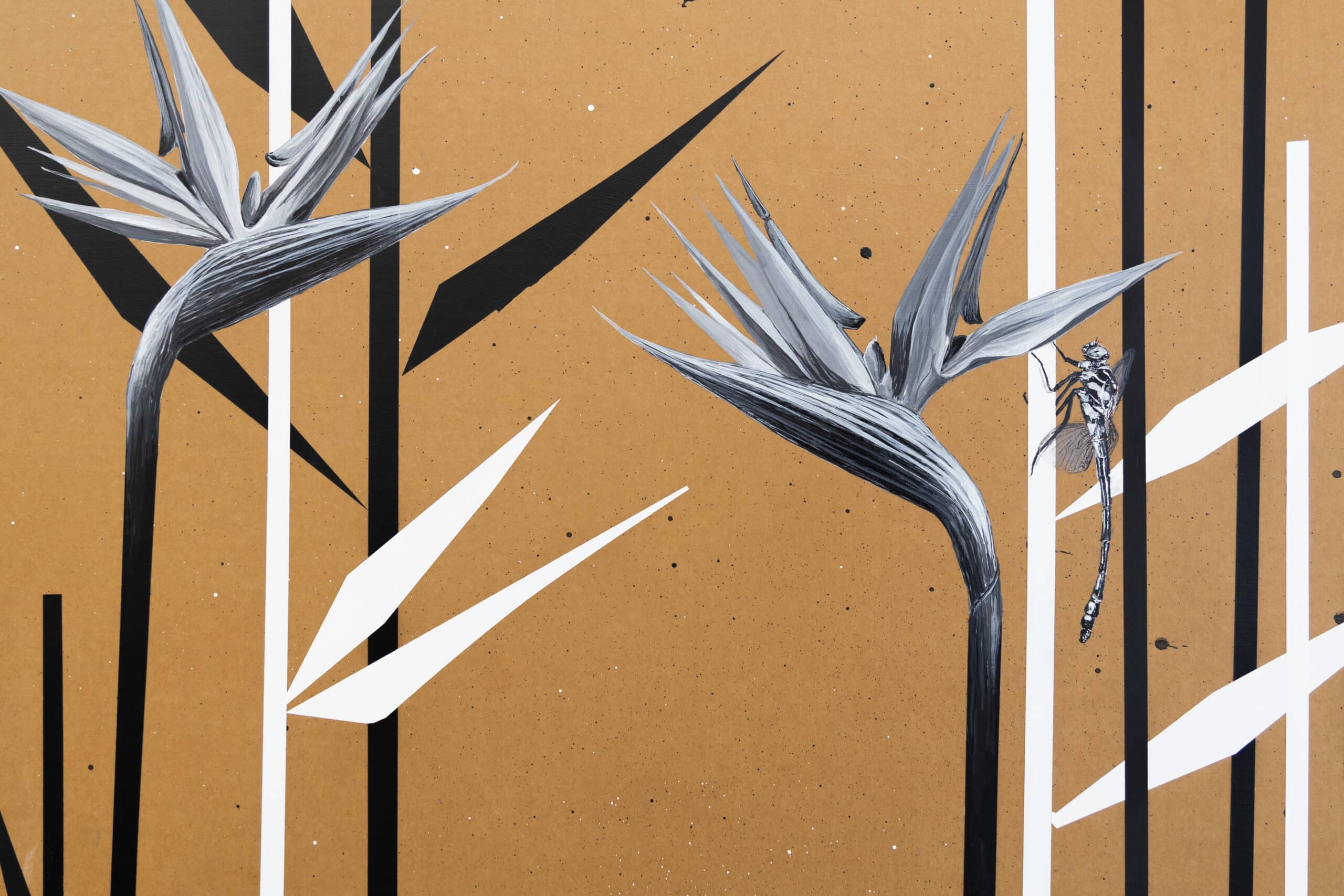
The spiders colonising the playful allusions to Gordon Walters (itself echoing a “crystal world”), while at first glance may appear to be native kātipo, are, in fact, the related, invasive black and brown widows. This is also a reference to the fact that Basher has spent half his life in the US where those spiders originate. The dragonflies, which might have flown out of the swamps of Ballard’s “drowned world” reverting to the Carboniferous, are also wildly enlarged versions of North American pond fauna.
The bird-of-paradise flowers too belie a deception. Rather than depictions of the actual plant, they are careful renderings of plastic blooms, every bit as artificial as the plant forms reassembled from Walters’ lines and discs. The monarch butterflies could not possibly exist in nature with the blue in their wings and are perhaps the most direct metaphor for the potential and unheimlich beauty in artifice. They fall into an uncanny valley of being sufficiently familiar to be appealing, but odd enough to signal their wrongness. It that sense, they signal the paradox of naturalistic figuration: the illusion of reality.
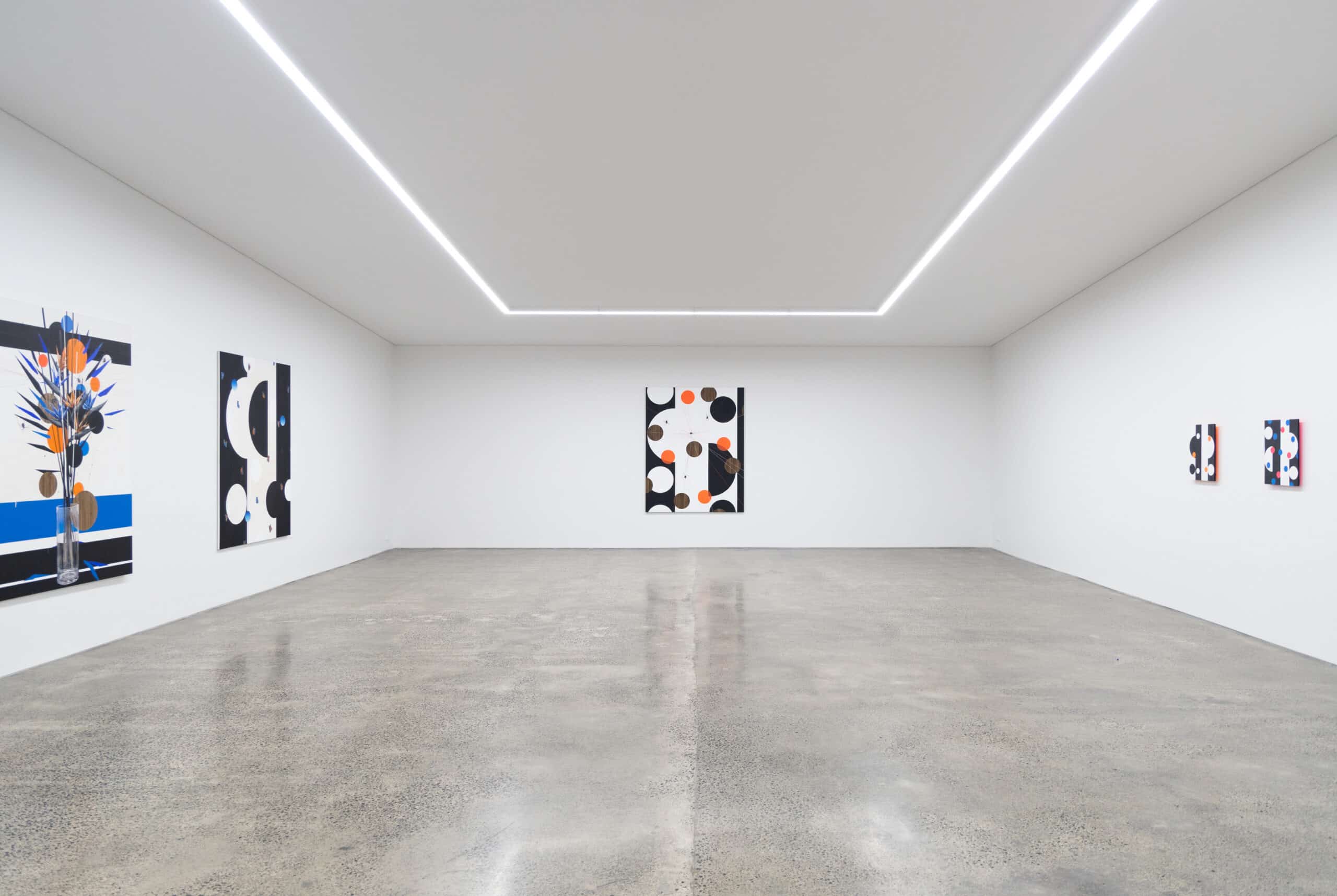
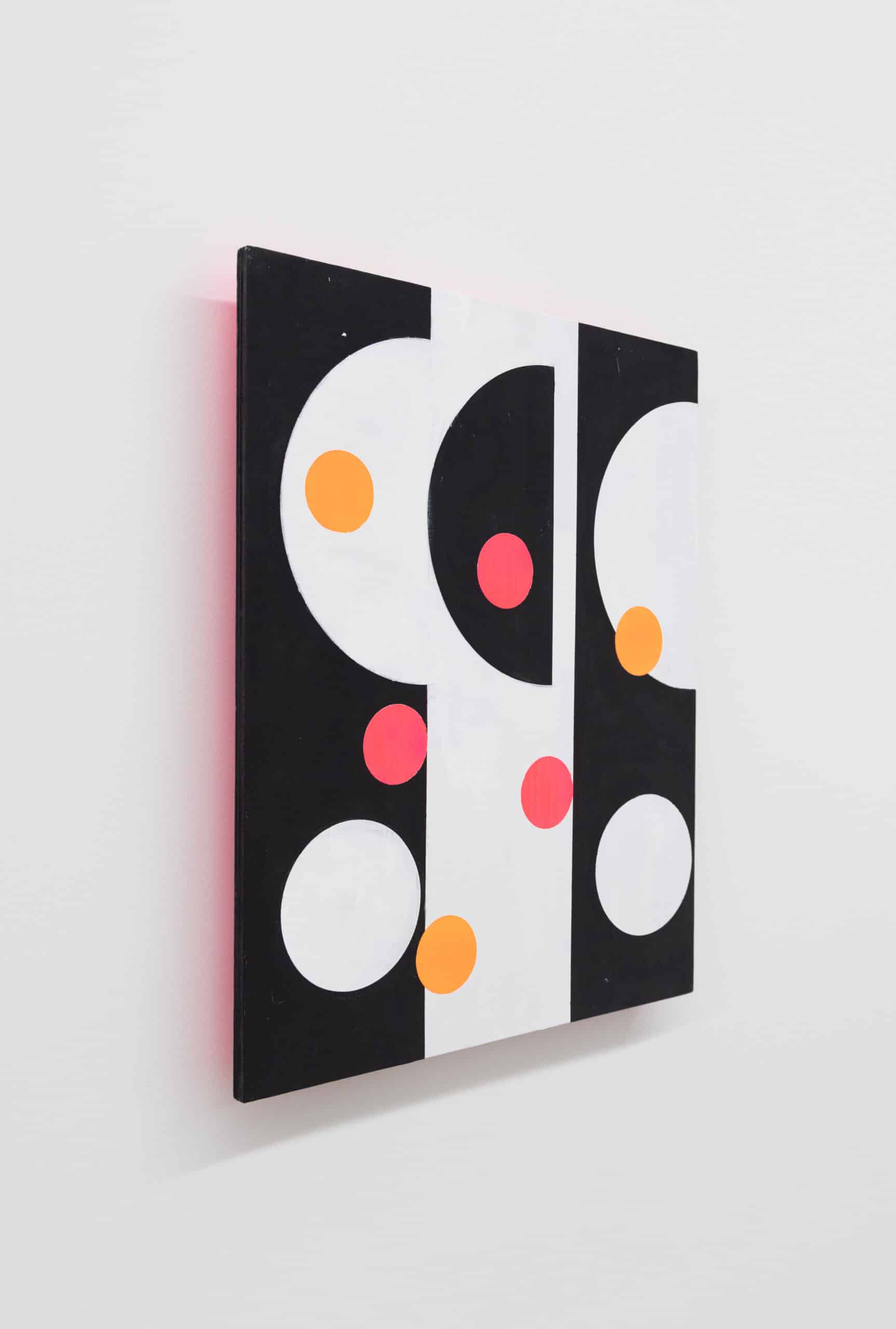
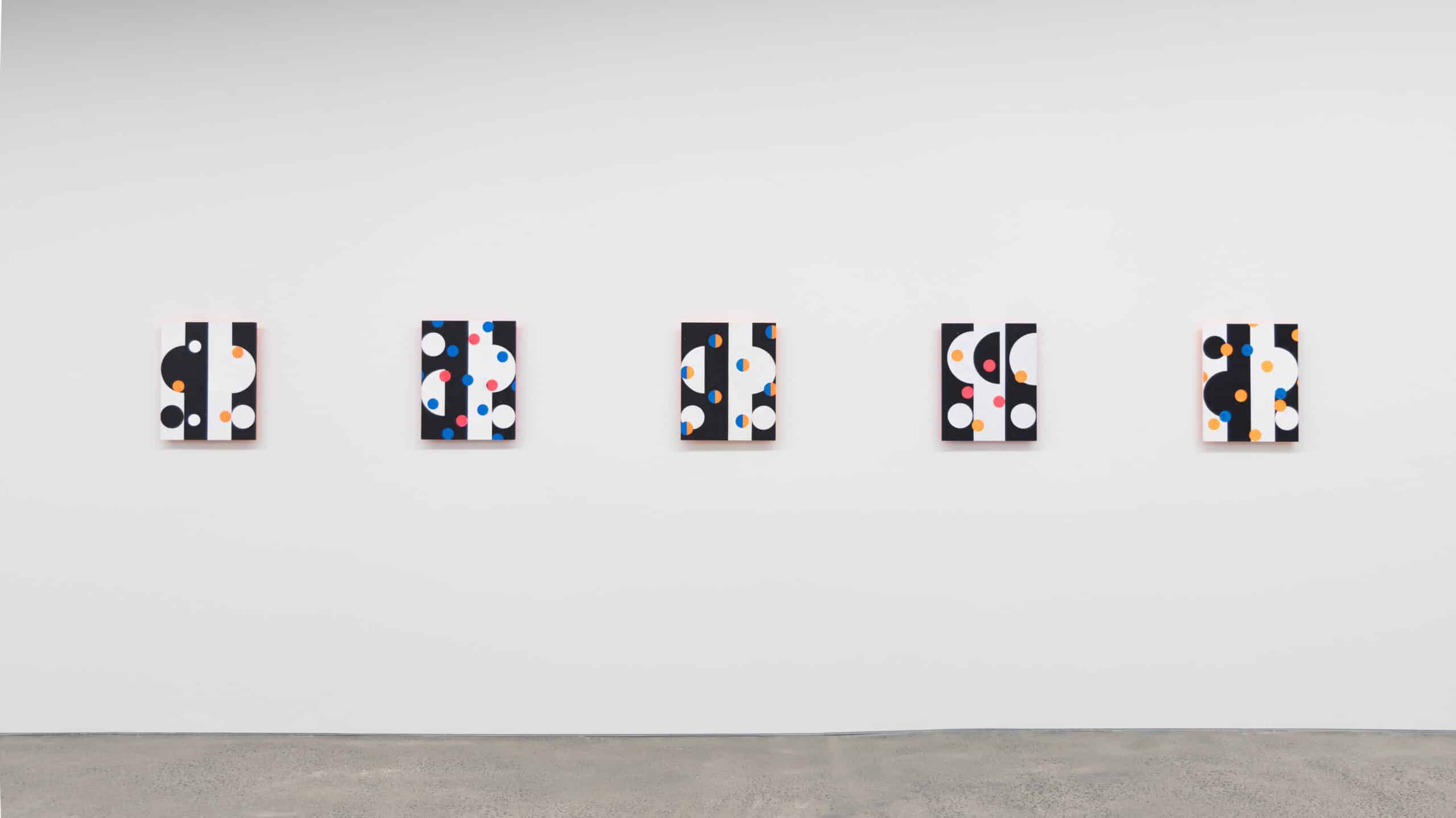
The exhibition consists of three interlinked sets of work. The smaller works are more explorative, a transitional feeling-out of this brave new figurative world, before the final launch from the purely abstract. The larger works fully resolve the transition into something quite new for Basher, but the abstract is still there, playfully or as a kind of scaffolding with a kind of ironic-romantic nostalgia for New Zealand and American abstract art: that which aspires to transcend the merely sensible and apprehensible world for some kind of Platonic paradise of ideal forms.
The corrugated cardboard and MDF that make some of Basher’s paintings sculptural, aping those Walters-esque forms, are themselves a recycling of consumerist byproduct. Nature is mulched, turned into disposable packaging material, and pushed out into nature again. The ephemerality and low status nature of the material, along with the use of masking tape, helps to puncture the sacred bubble of painting as high status culture. In that way Basher’s paintings are democratic and demotic, with a hint of ironic kitsch in their aesthetic.
It seems part of Basher’s agenda to find the subjectivity and break down the rigid cordons sanitaires between genres, contexts and themes. The exhibition title, Vermillion Sands, comes from Ballard’s book of the same name collecting a linked cycle of short stories he wrote in the 1960s about a decadent desert resort of the future. At Vermillion Sands, artifice has become an ecosystem of singing plants, psychotropic houses, cloudsculptors, and bored elites drifting through surreal technologies – and where human desire and artificial environments feed on each other.
Basher’s paintings evoke Ballardian, posthuman, perhaps even post-‘natural’ worlds. The exhibition’s namesake colour, vermillion—the vivid orange-pink-red that recurs throughout the work—adds another layer of meaning. Though now rendered in safe acrylic, it inherits the name of a historically rare, regal, and highly toxic mercury-based pigment. That slippage between contemporary simulation and dangerous material history mirrors the logic of the paintings themselves, in which beauty is never innocent, and artifice is never entirely benign, binding seduction to contamination, and visual pleasure to the afterlife of extraction and risk.
Beauty, desire, banality, danger, and malignancy run through these works like the spiders’ webs that haunt some of them. “Haunt is the correct word. Hauntology is a term coined by the French philosopher Jacques Derrida to describe how elements of the past (or lost futures) persist and “haunt” the present, creating a sense of temporal disjunction. As the artist concedes, they are among the most difficult paintings he has made, pushing him beyond familiar processes and settled limits. The results are seductive and disquieting in equal measure: beautiful yet resistant, withholding easy resolution, and unlike anything else in his practice to date.