Billy Apple®, Whitney Bedford, Petra Cortright, Marti Friedlander, Fiona Pardington, Jamie Te Heuheu, Jelena Telecki, Gordon Walters | In Search of Lost Time
17.10 - 14.11
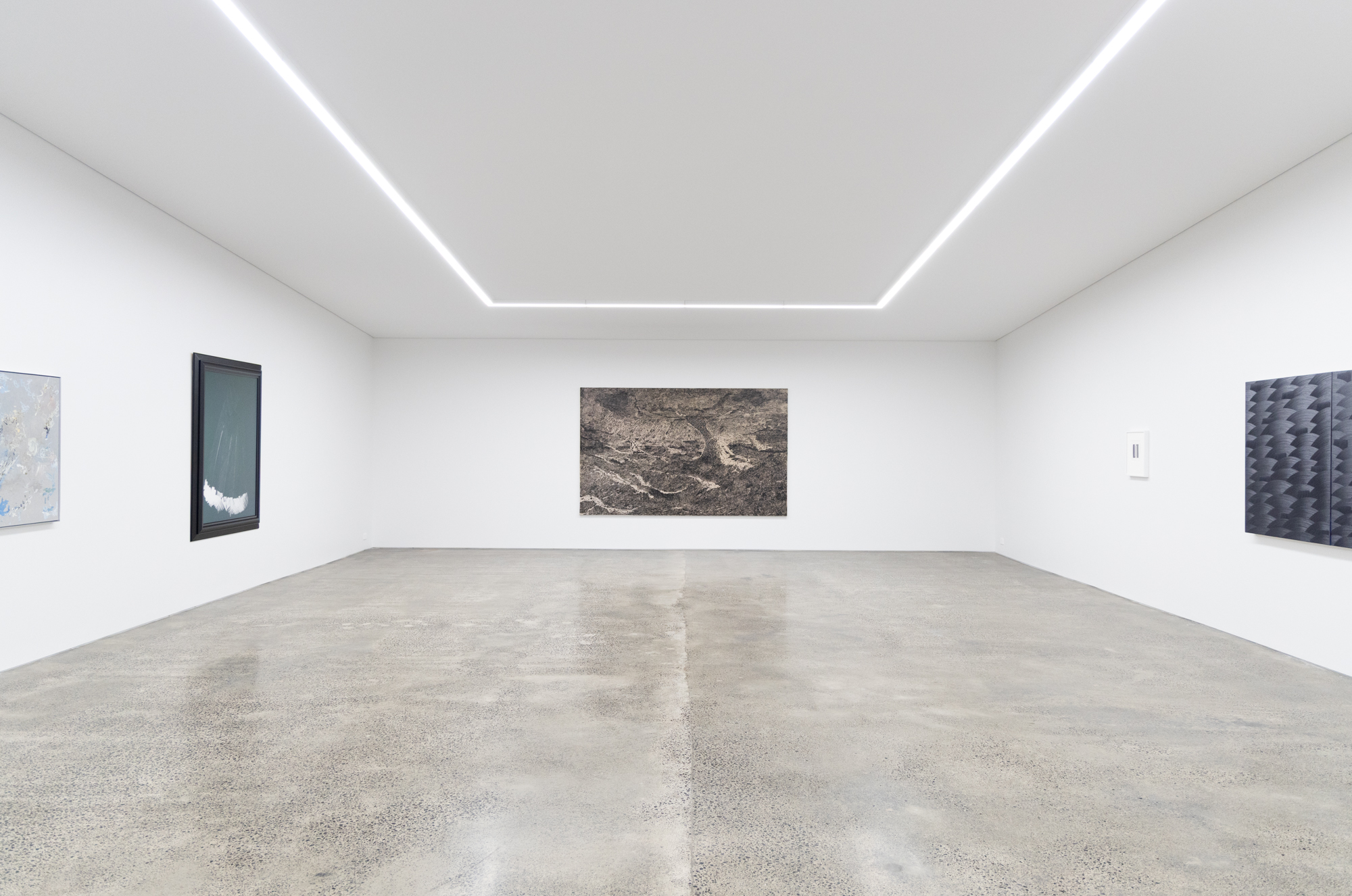
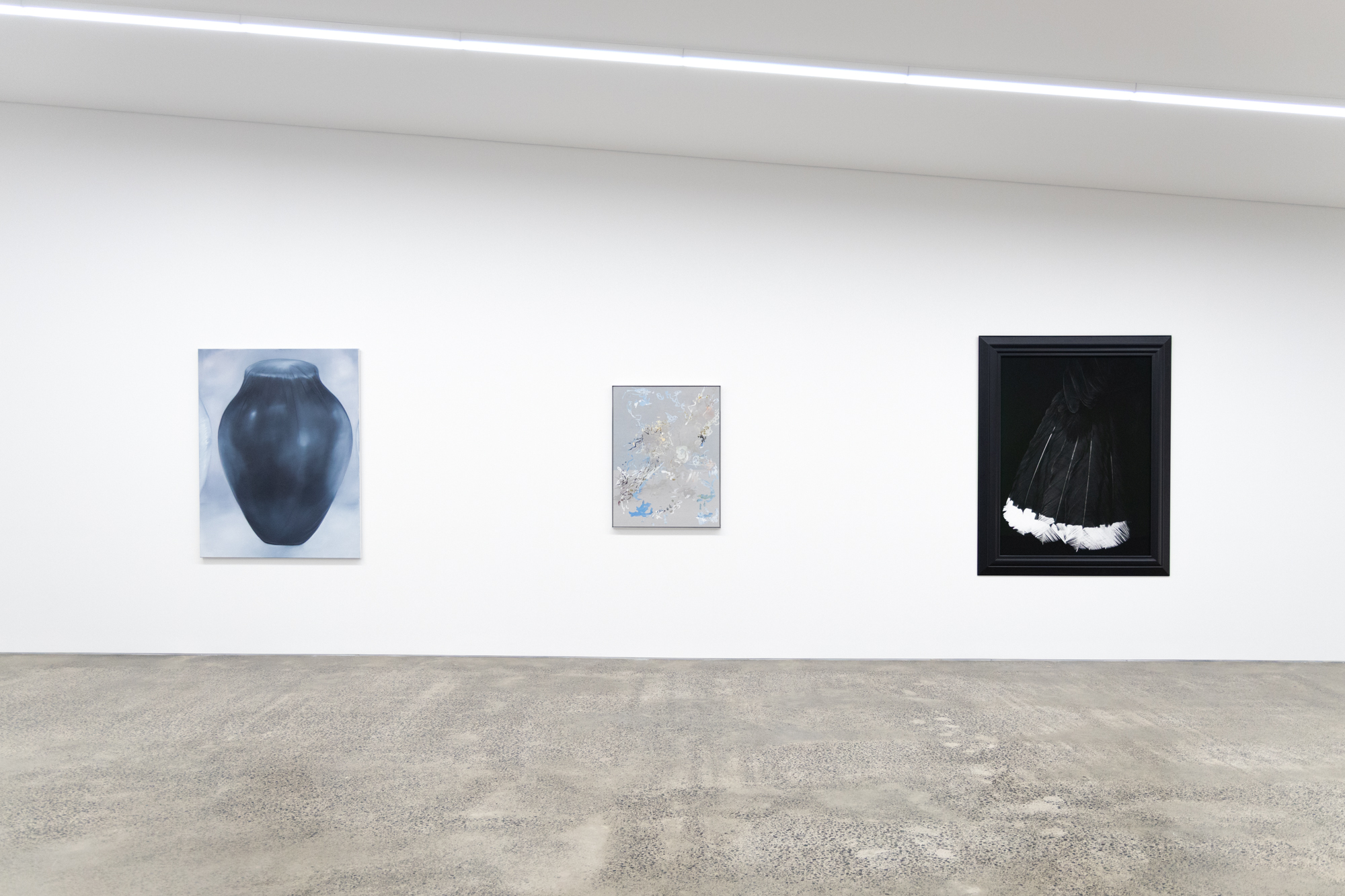
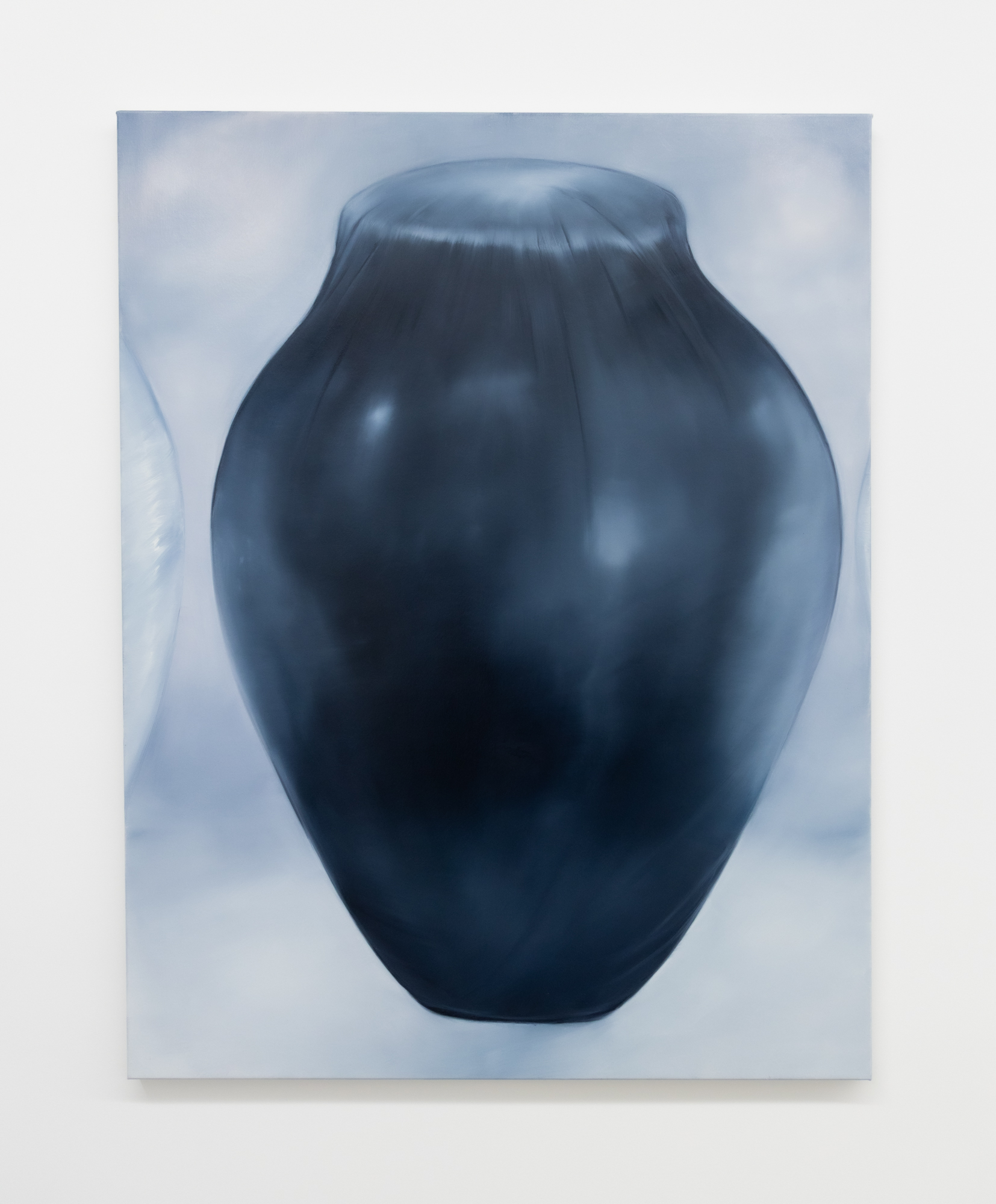
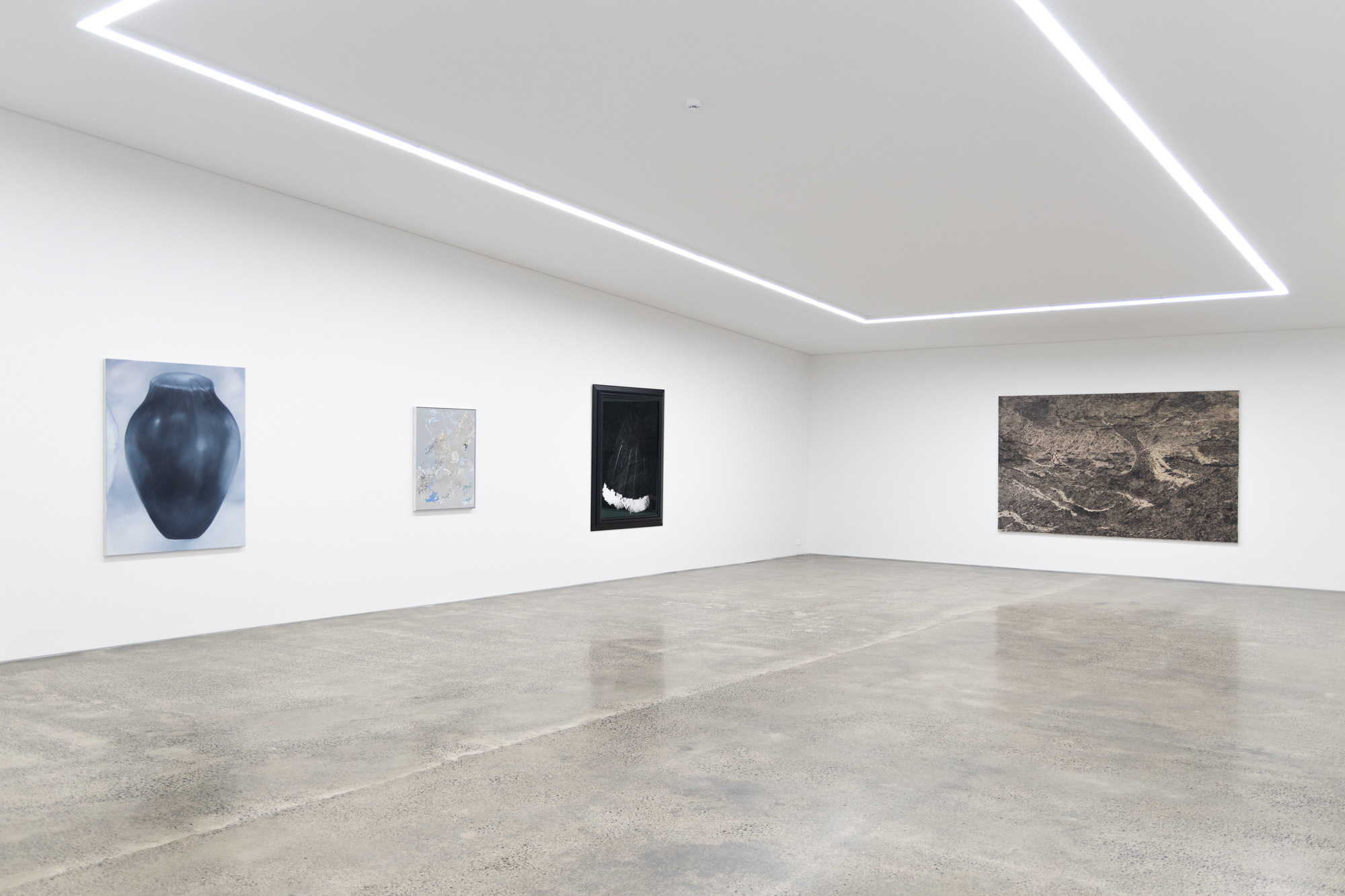
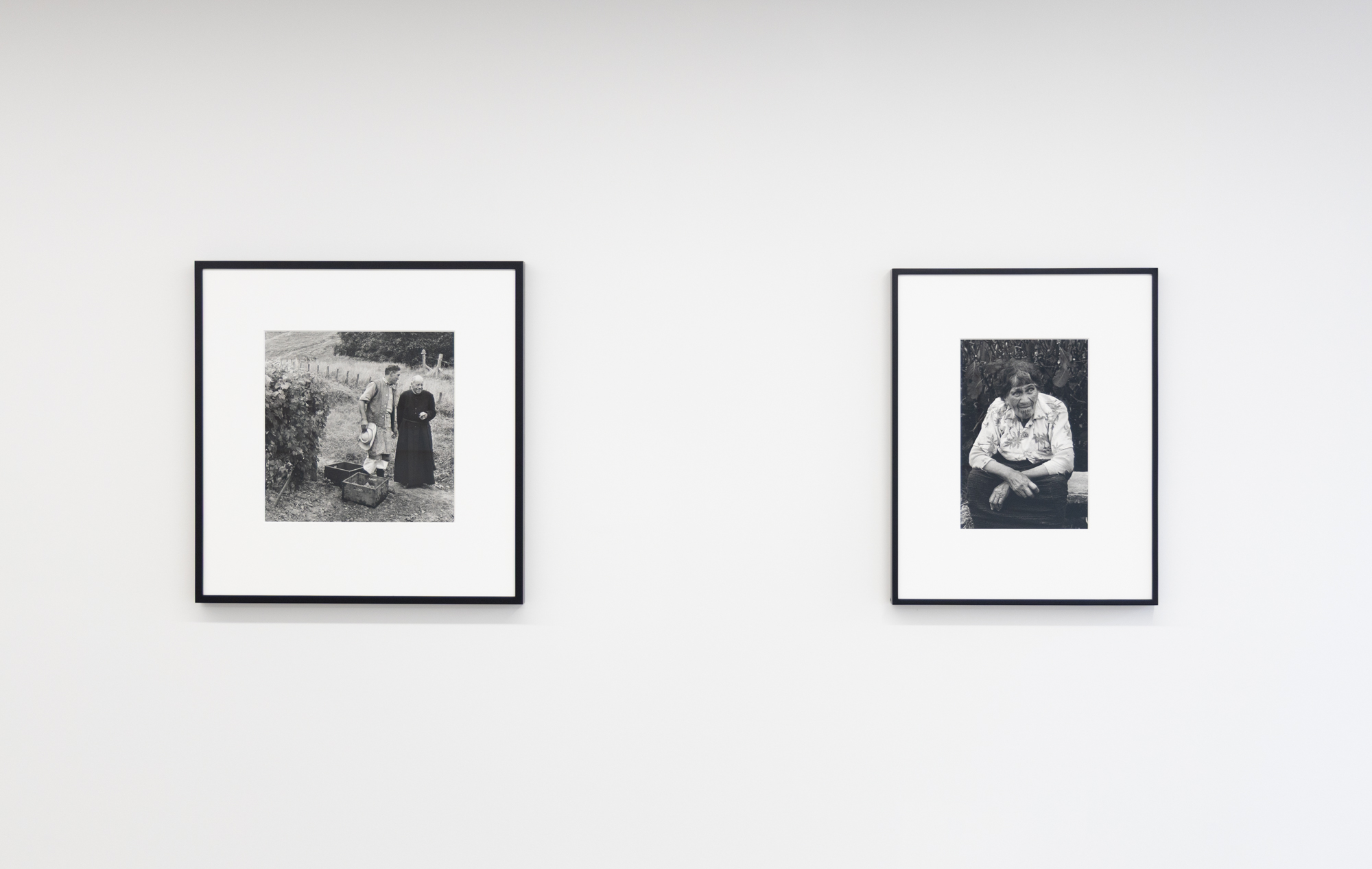


In this exhibition, images are understood not as static objects, even at their most abstract, but as living structures whose meanings shift with context. Across painting, photography, print and digital practice, each artist approaches the image as a site where vision, memory, power and cultural inheritance remain in active negotiation. Rather than proposing a single theme, the exhibition brings distinct practices into dialogue around a shared inquiry: how looking shapes our understanding of the world, and how the world, in turn, conditions the images we produce.
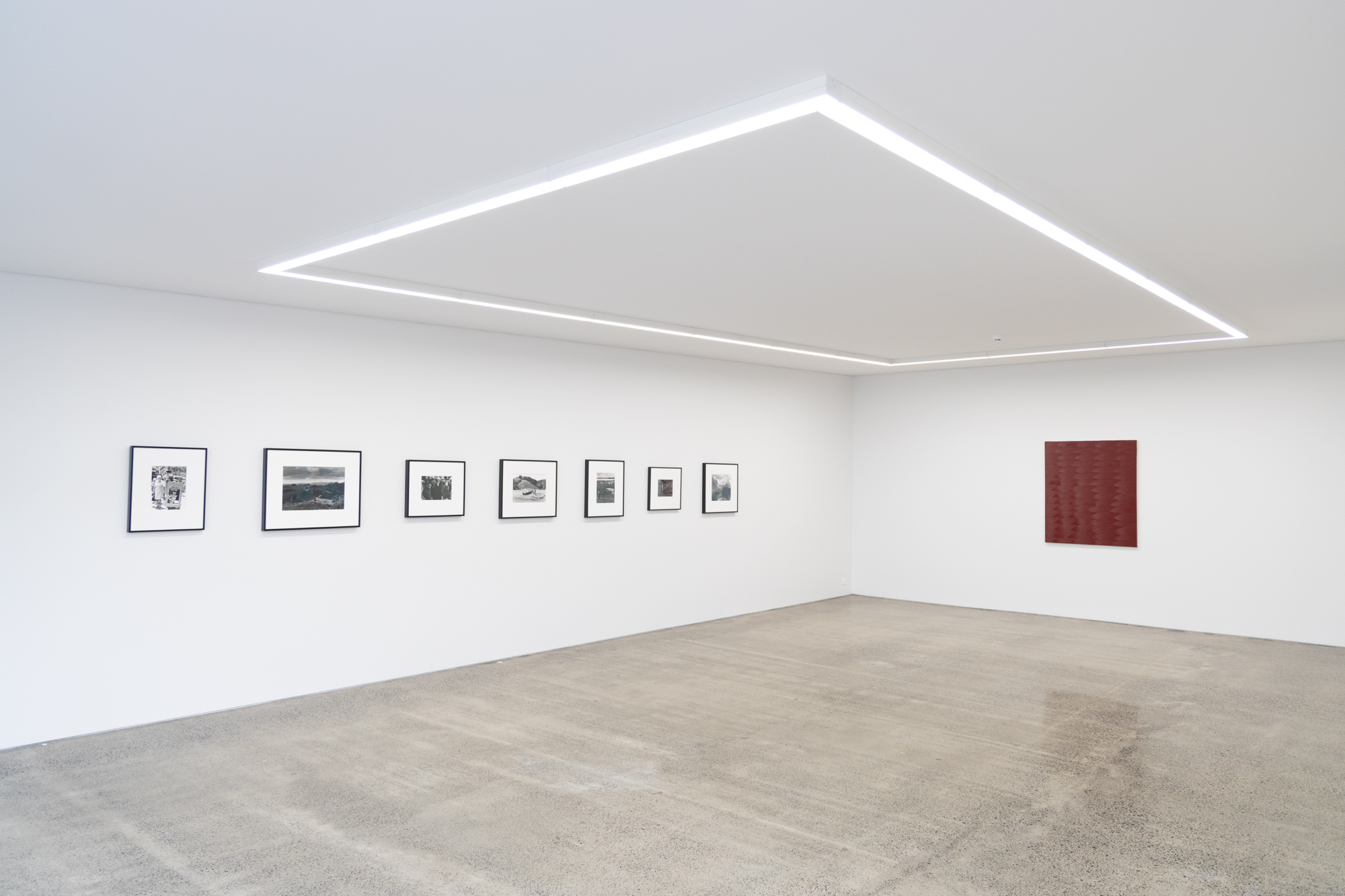
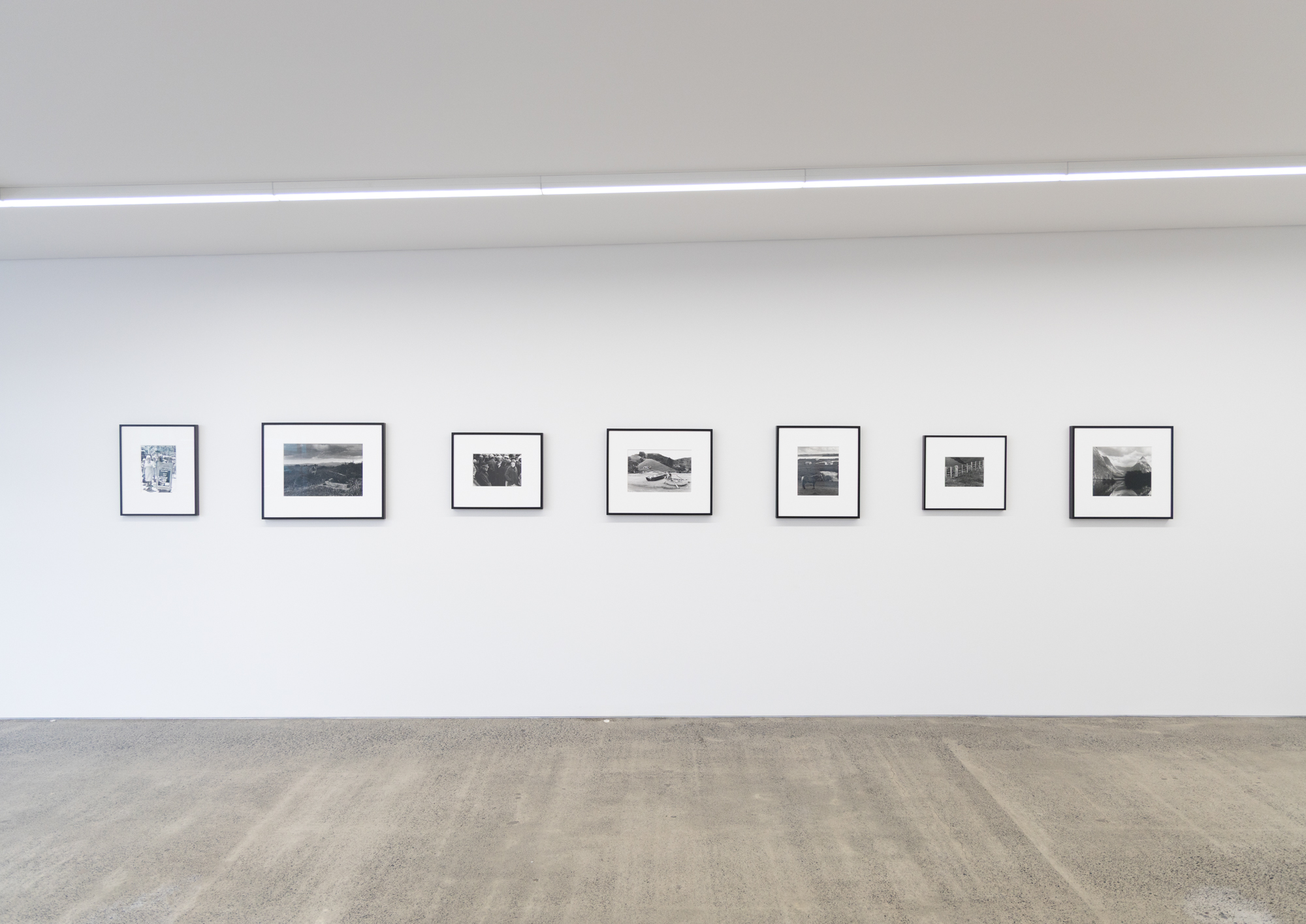
Marti Friedlander’s photographs give this inquiry a precise historical register. From the vineyard brothers of 1967 to the charged atmosphere of the 1981 Springbok Tour protests, her silver gelatin prints extend beyond the conventions of social documentary. They are studies in presence: deeply felt, yet never sentimental. They attend to who enters the frame, who remains outside it, and to the camera’s capacity both to disclose and to withhold. Friedlander understood that a photograph belongs at once to the event it records and to the evolving memory of that event, to the instant of exposure and to the long duration that follows.
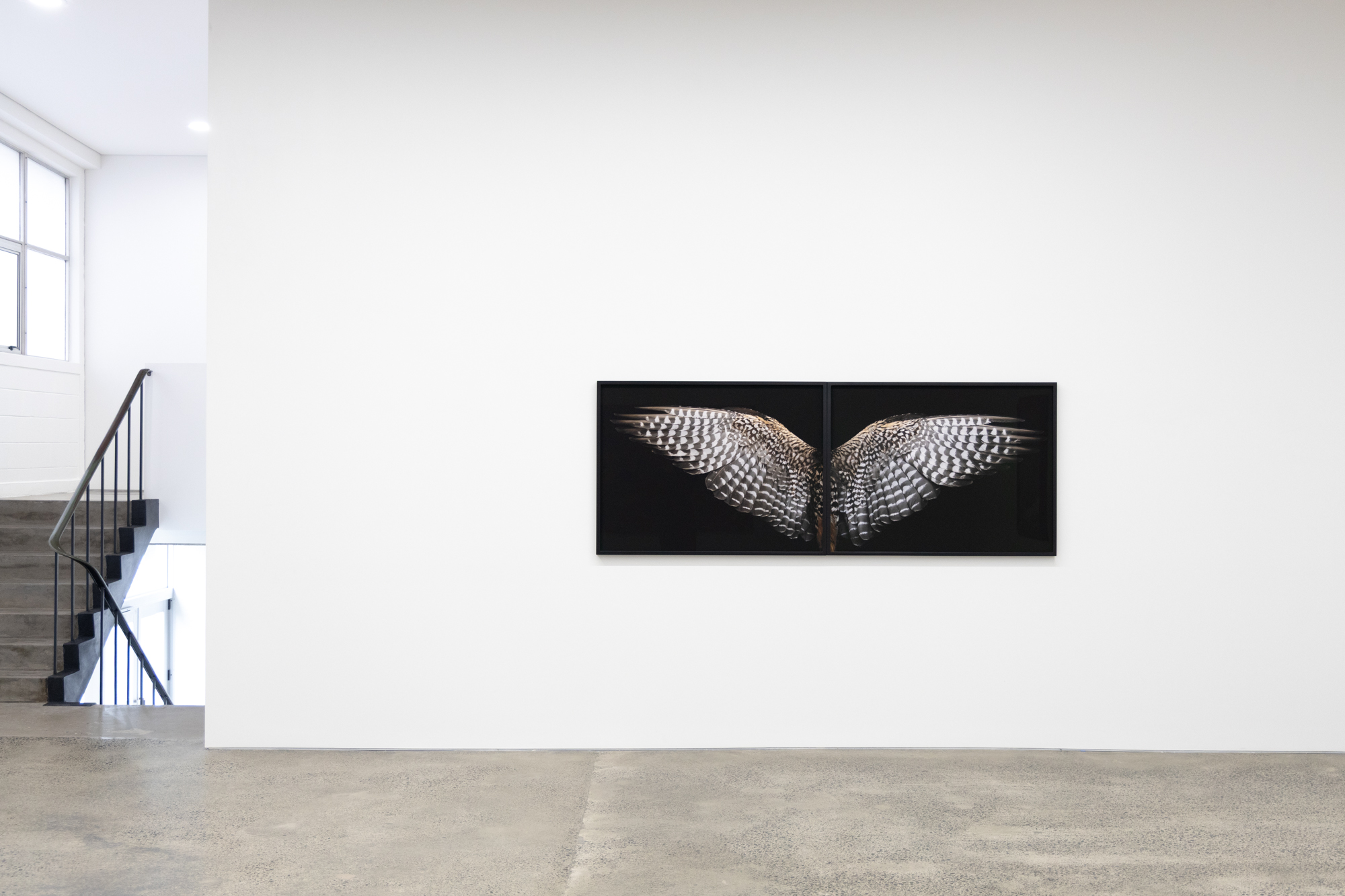
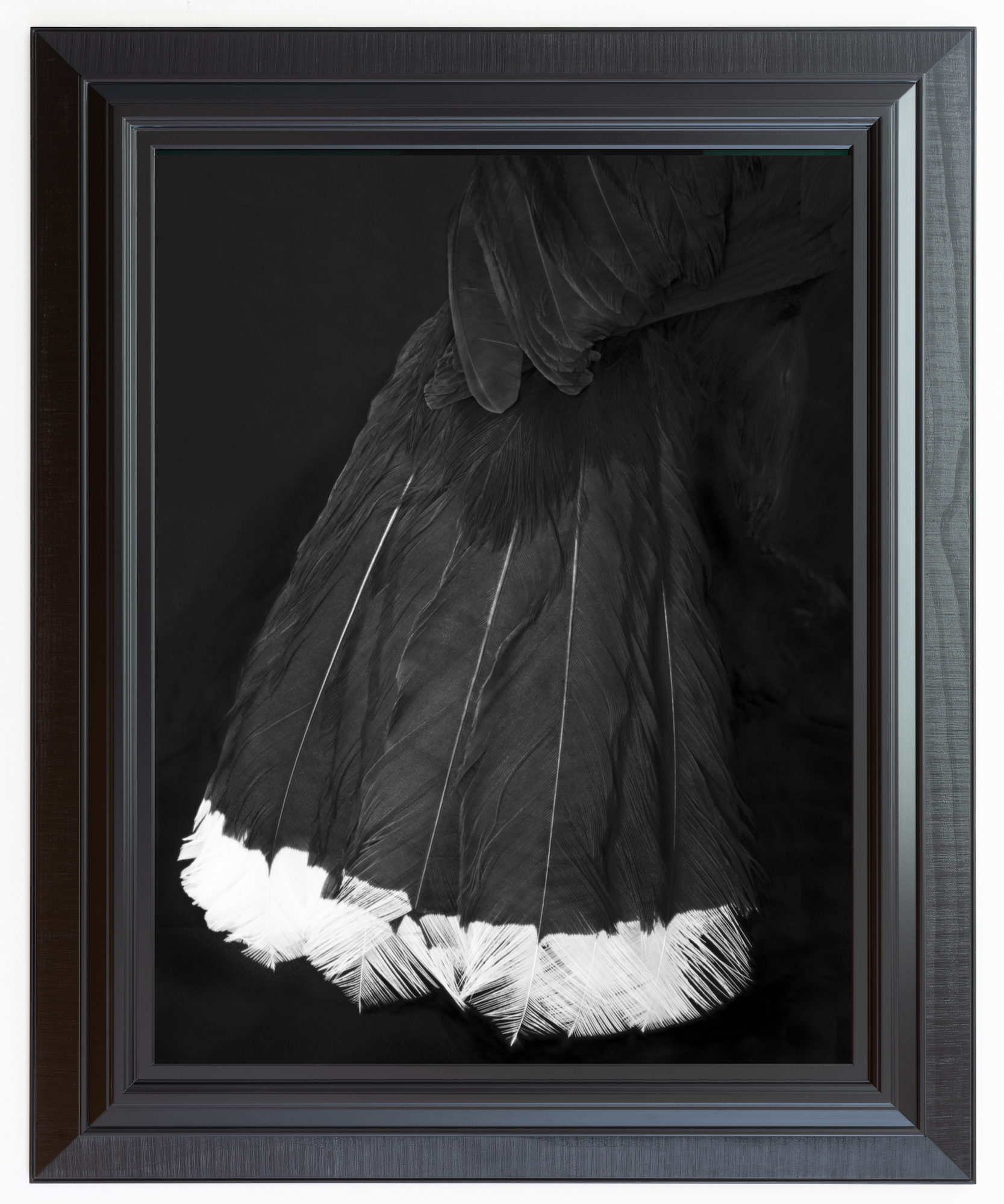
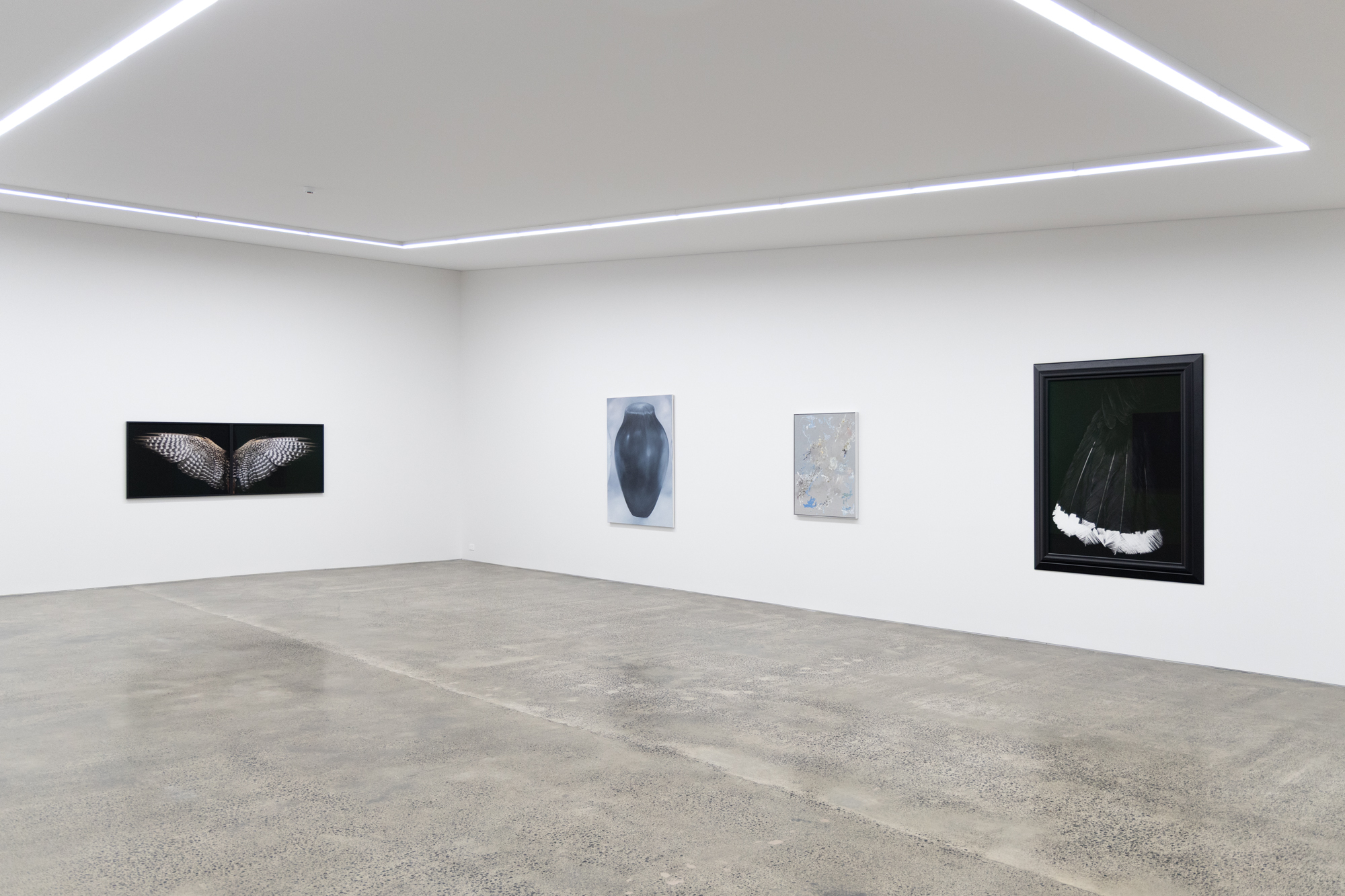
Fiona Pardington carries this temporal register into the realms of memorial, mana and mauri. Her portraits of taonga, museum specimens and birds hover between still life and apparition, their surfaces charged by cultural loss and the endurance of whakapapa. Through Pardington’s camera lens, photography becomes a vessel for what persists: not only the object itself, but also the histories, colonial violence and inherited traditions that adhere to it. These images do more than simply describe or record. Through exacting, reverential attention, they hold open the fragile continuity between past and present.
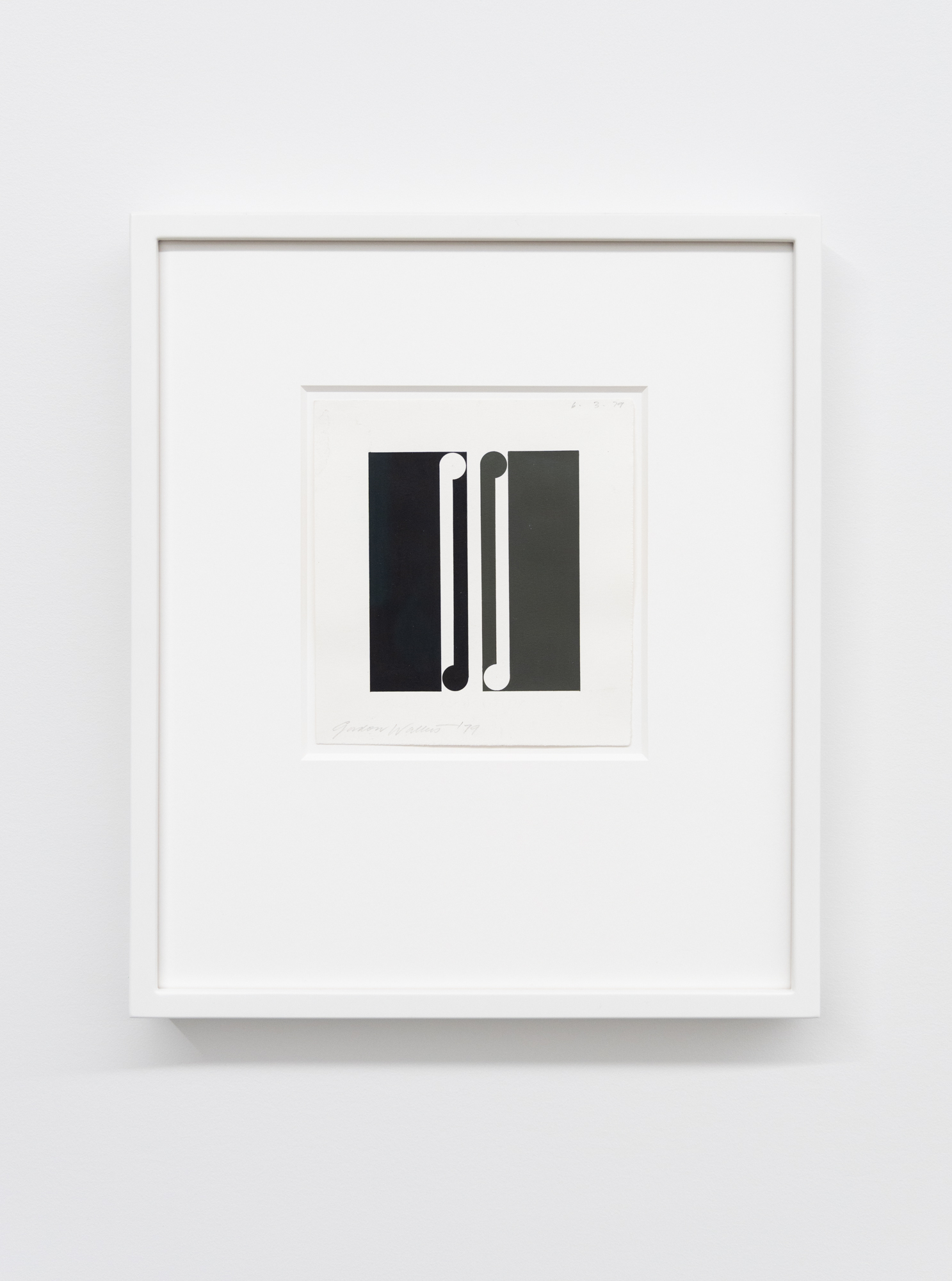
If Friedlander and Pardington engage documentary and archival modes, Gordon Walters approached memory through the disciplined language of form. His koru-based abstractions, structured by a rigorous interplay of positive and negative space, operate as both optical events and cultural propositions. Whatever claims have been made for their autonomy, these works were never culturally or contextually neutral. They carry histories of influence, awareness, appropriation and exchange, whether consciously invoked or not. Walters’ work continues to ask what occurs when a visual language is displaced from one context and rearticulated within another, and what responsibilities attend that alchemical transformation.
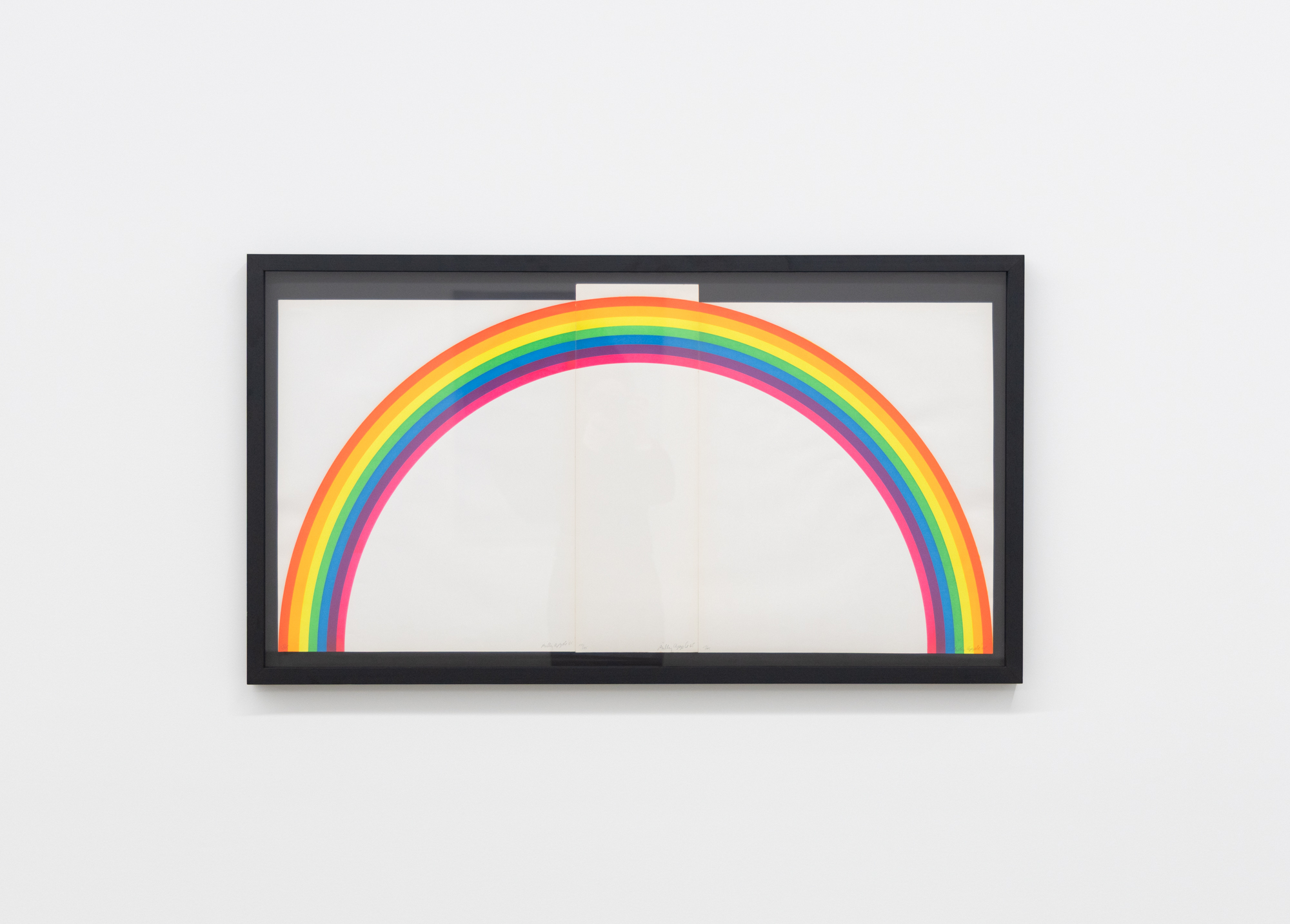
Billy Apple® brings a different form of historical self-consciousness to the exhibition. His Rainbow Triptych occupies the intersection of Pop, conceptualism, the emergent visual grammar of branding and the geometric sensibility associated with 1980s Neo-Geo. Rendered with diagrammatic clarity, the rainbow becomes both an emblem of countercultural optimism and an instance of commercial design’s seductive lucidity. It may also carry a distant echo of the biblical covenant after the Deluge. Apple® reminds us that images circulate not only through museums and archives, but also through markets, media and the wider economies of attention that compete for our gaze.
Petra Cortright’s digital paintings inhabit those economies from within. Built from layered files, reiterated marks and the vernacular of online image production, they translate the logic of the screen into painterly terms. Their surfaces are restless and luminous, retaining the traces of digital labour. They belong to a visual culture in which images are produced, circulated and recombined without end, a condition that unsettles conventional ideas of authorship and originality. Here, the distinction between the handmade and the algorithmic becomes increasingly unstable. Like Apple®’s work, Cortright’s forms create a recursive loop, reflecting the world that produced them.
Where Cortright locates instability within the circulation of images, Jelena Telecki turns inward, towards the ambiguities of narrative and psychological space. Disconnected and interior-looking, yet also romantic and desirous, her scenes resemble fragments of unwritten dramas. Figures are held in suspension, while objects appear charged with significance but resist fixed allegory. Telecki works between narrative and atmosphere, familiarity and estrangement. Meaning is neither fully declared nor resolved; instead, it accumulates through tonal shifts, bodily gesture and the charged quiet of the painted surface. The result is an inquiry into human experience within a culture exhausted by irony and cynicism. Postmodern fragmentation no longer appears sufficient: the centre cannot hold, and ambiguity becomes a necessary condition rather than a critical conclusion.
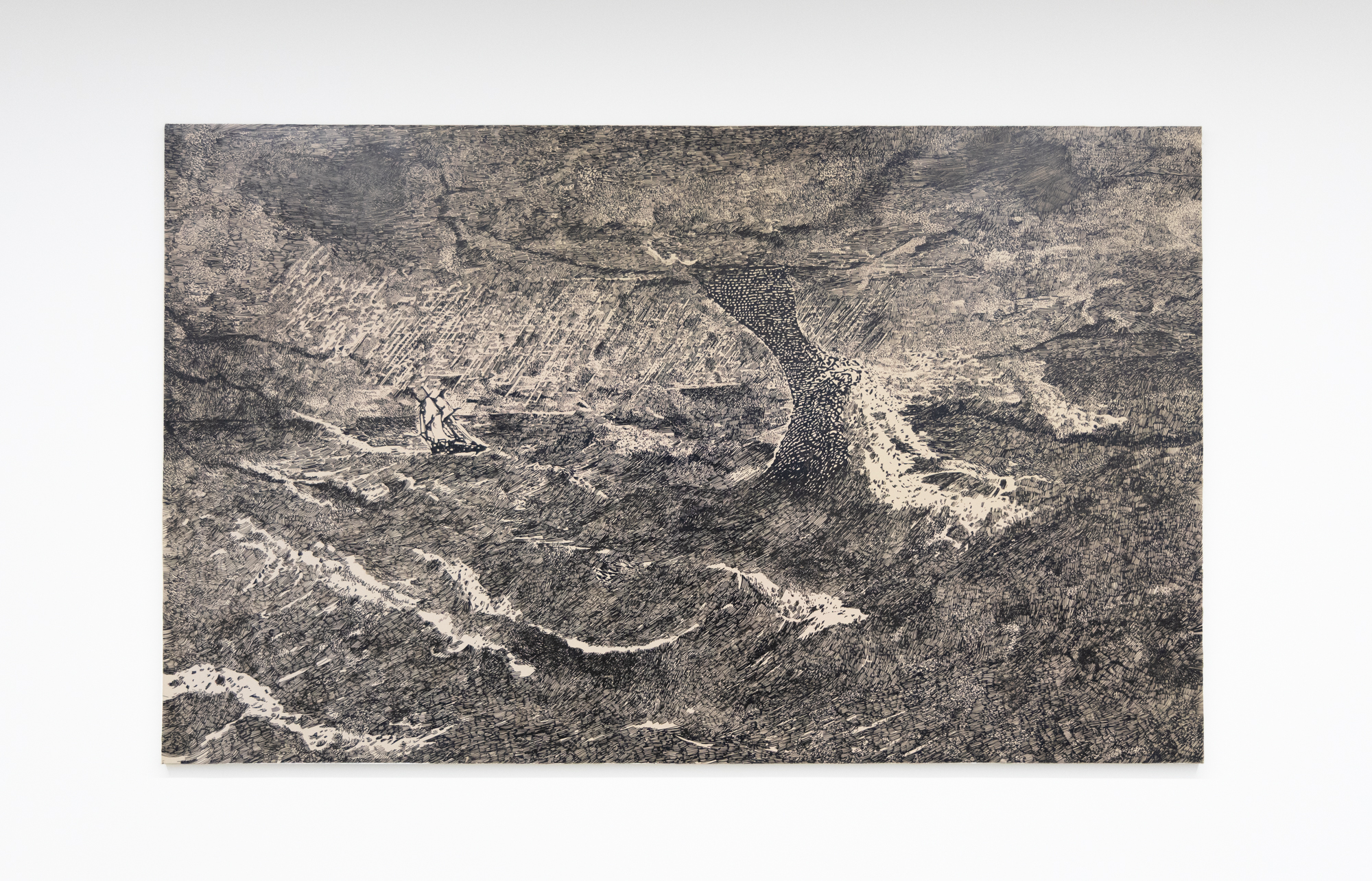
Whitney Bedford extends this sense of instability into the landscape. With their ink-washed grounds and sharply drawn silhouettes, her works operate as forms of emotional and art-historical cartography. Landscapes, ships and organic forms appear at once symbolic and precarious, caught mid-event in evocations of the Romantic sublime: transcendental, overwhelming and charged with uncertainty. In relation to Friedlander’s documentary clarity and Pardington’s visionary precision, Bedford offers a painterly analogue. Her images register catastrophe, drift, transformation and historical weight without becoming overtly illustrative. The tension between control and dissolution places her work in productive dialogue with Walters’ disciplined formalism and Cortright’s digital layering, extending the exhibition’s inquiry into how images fracture and reform under pressure.
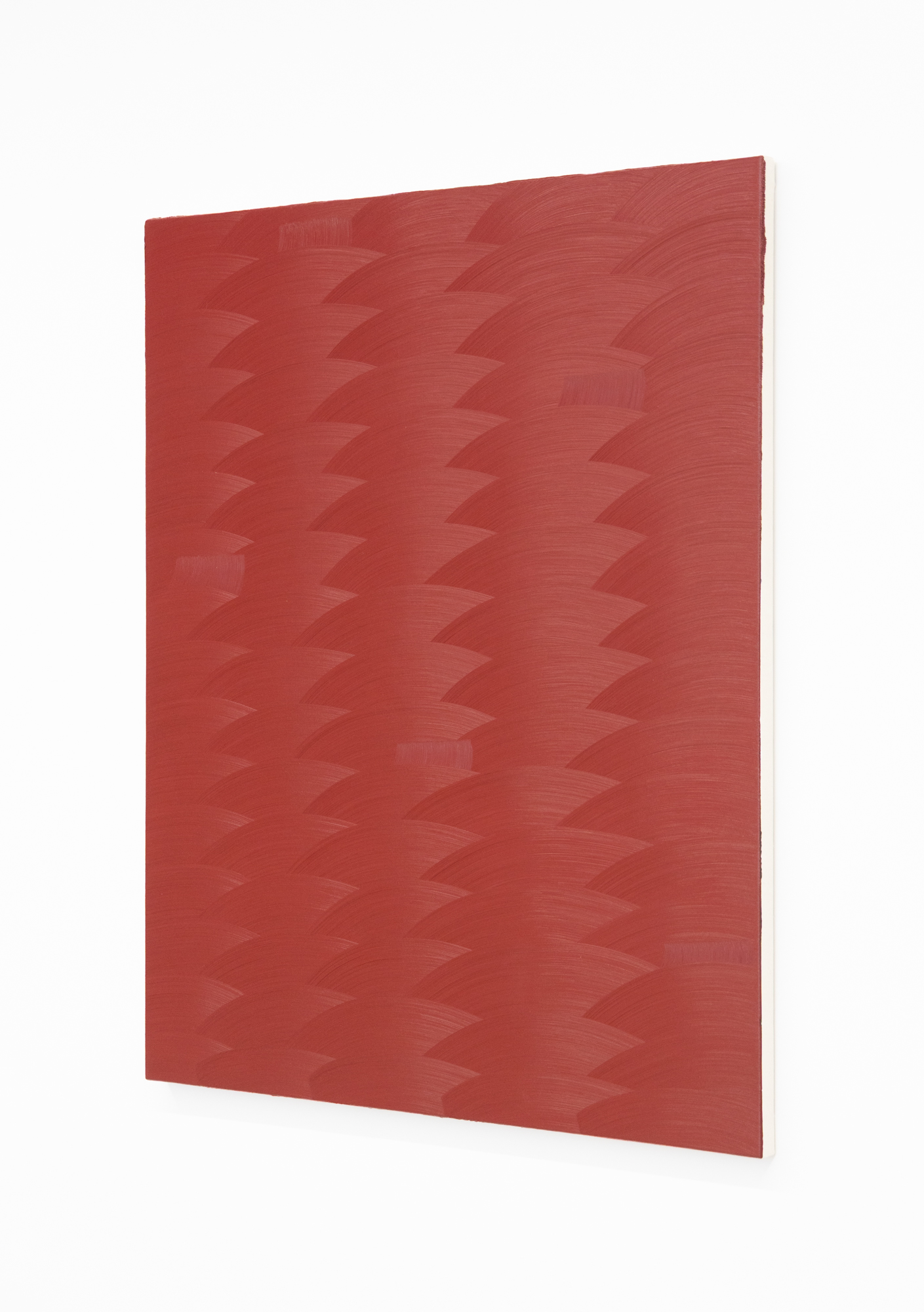
Jamie Te Heuheu carries these concerns into all-over monochrome abstraction with a restrained, luminous intensity grounded in the sculptural presence of the brushstroke. His atmospheric handling of colour and light gives the canvases a quality that is both intimate and expansive, seeming to extend beyond their edges. The works evoke the fugitive nature of memory and the reciprocity of looking. In dialogue with Friedlander’s documentary acuity, Pardington’s commemorative sensibility and Cortright’s elusive digital shimmer, Te Heuheu offers a contemporary account of the emotional and cultural weight an image can bear, even when its means appear deceptively simple.
Together, these artists position the image as a dynamic field of relations. Their works consider how images remember and forget, how histories are transmitted, and how visual forms condition the ways we encounter one another. Each work becomes a meeting point between surface and depth, visibility and concealment, and the immediacy of the present and its enduring afterlife in memory and art. No image exists in isolation; each is situated within larger systems of culture, technology, politics, and personal and collective memory. The artists assembled here therefore offer a compelling proposition: that sustained attention can reveal the complexity of the world we inherit while opening new possibilities for what might yet be imagined.